
Home decor 90s is all about bringing back the warm, expressive, and slightly playful interior style associated with the 1990s. Think earthy colors, chunky furniture, patterned fabrics, wooden finishes, decorative lamps, glass accents, and cozy living spaces.
For Indian homes, the 90s aesthetic can be especially interesting because many of these elements already feel familiar. Wooden furniture, patterned curtains, family photographs, decorative cabinets, brass details, and warm lighting were common in homes across the country.
The good news is that you do not need to completely redesign your house to achieve this look. A few carefully selected colors, materials, accessories, and furniture pieces can create a convincing home decor 90s atmosphere without making the room feel outdated.
What Is 90s Home Decor?
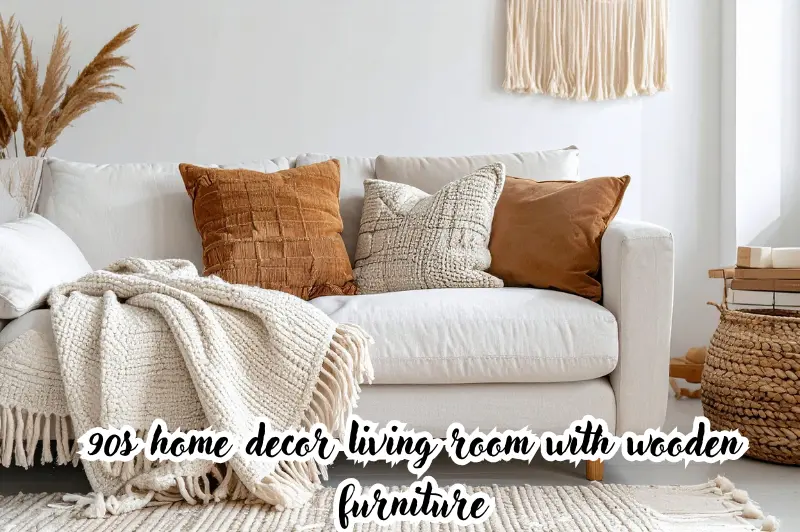
90s home decor refers to interior styles inspired by the colors, furniture, materials, patterns, and decorative choices popular during the 1990s.
Unlike today’s highly minimal interiors, 1990s rooms often had more visual variety. Rooms could combine wood, fabric, glass, decorative objects, artwork, plants, and colorful accessories without trying to make everything look perfectly uniform.
Common characteristics include:
- Warm and earthy color palettes
- Medium or dark wood furniture
- Floral and geometric patterns
- Patterned curtains and upholstery
- Glass display cabinets
- Brass and metallic accents
- Decorative lamps
- Large sofas and comfortable seating
- Indoor plants
- Family photographs and framed artwork
- Textured walls and fabrics
The goal is not to reproduce every detail of a 1990s room. Instead, modern homeowners can select the most attractive elements and combine them with contemporary functionality.
Why Is 90s Home Decor Becoming Popular Again?
The appeal of home decor 90s comes largely from nostalgia and the desire for interiors that feel personal rather than overly perfect.
Many modern interiors emphasize neutral colors, clean lines, and minimal decoration. While that approach can look elegant, some homeowners want rooms with more warmth, personality, and visual character.
A 90s-inspired interior offers exactly that.
1. It Feels Warm and Personal
Wood, fabric, photographs, books, plants, and decorative objects can make a home feel lived-in.
2. It Works Well With Existing Furniture
You do not necessarily need to buy everything new. Older wooden furniture, cabinets, chairs, and tables can often become part of the design.
3. It Encourages Character
A retro room does not have to follow a strict minimalist formula. Mixing textures and decorative pieces can create a more individual look.
4. It Can Be Budget-Friendly
Second-hand furniture, vintage-looking accessories, old frames, rugs, and lamps can sometimes create the desired atmosphere without requiring a complete renovation.
15 Home Decor 90s Ideas for an Indian Home
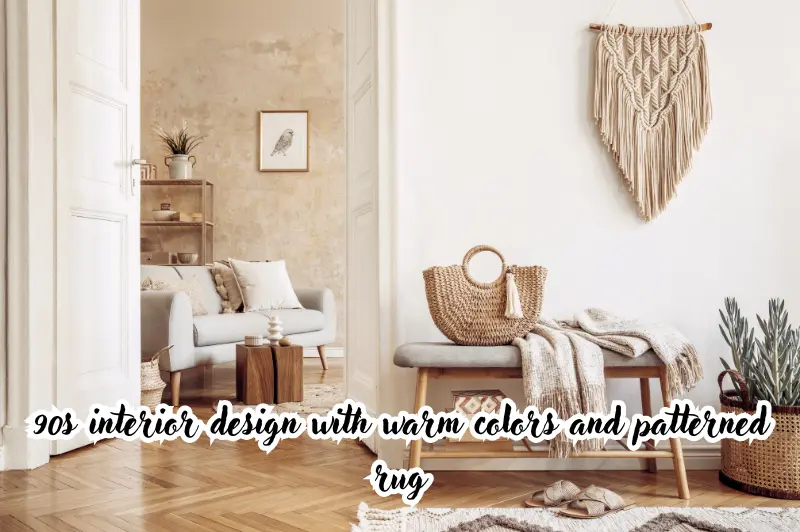
1. Choose Warm Earthy Colors
Color is one of the easiest ways to introduce a 90s-inspired atmosphere.
Instead of using only bright white or cool gray, consider shades such as:
- Beige
- Cream
- Terracotta
- Brown
- Olive green
- Mustard
- Burgundy
- Muted orange
- Deep blue
You can use these colors on walls, curtains, cushions, rugs, or small accessories.
For an Indian home, earthy colors can work particularly well with natural wood furniture and traditional decorative elements.
Simple Example
Use cream walls with a dark wooden cabinet, olive cushions, a patterned rug, and warm lighting. The combination immediately creates a more nostalgic feeling without making the room look like a museum from the 1990s.
2. Bring Back Wooden Furniture
Wood was a major visual element in many traditional 1990s interiors.
For a modern interpretation, look for:
- Wooden coffee tables
- Bookshelves
- TV cabinets
- Side tables
- Dining tables
- Wooden chairs
- Display cabinets
Medium and darker wood tones generally create a warmer appearance.
If you already have an older wooden cabinet or table, do not immediately replace it. Cleaning, repairing, polishing, or updating the hardware may be enough to make it useful again.
3. Use Patterned Curtains
Curtains can dramatically change the character of a room.
For home decor 90s, consider curtains with:
- Floral patterns
- Geometric designs
- Repeating motifs
- Muted colors
- Traditional-inspired patterns
Avoid putting a strong pattern on every surface. If the curtains are visually busy, keep nearby furniture and walls relatively simple.
This creates balance while preserving the retro character.
4. Add a Comfortable Statement Sofa
The 1990s were not necessarily about extremely slim furniture.
A large, comfortable sofa can become the centerpiece of a retro-inspired living room.
Consider:
- Deep seating
- Rounded edges
- Fabric upholstery
- Neutral or earthy colors
- Patterned cushions
- Wooden or sturdy-looking details
For smaller Indian apartments, choose a sofa that provides visual comfort without overwhelming the available floor space.
5. Introduce Floral and Geometric Patterns
Patterns are another important part of 90s interior design.
Instead of covering the whole room with patterns, introduce them through small elements.
Good choices include:
- Cushion covers
- Rugs
- Curtains
- Table runners
- Upholstery
- Wall art
- Decorative boxes
A patterned rug beneath a simple sofa can provide enough visual interest without making the room feel crowded.
6. Use Warm Lighting
Lighting has a major influence on how retro interiors feel.
For a 90s-inspired room, warm lighting can help create a softer and more comfortable atmosphere.
Try:
- Table lamps
- Floor lamps
- Fabric lampshades
- Warm-toned bulbs
- Decorative wall lights
- Small accent lamps
Rather than relying on one bright ceiling light, combine general lighting with smaller sources around the room.
This approach also makes the space more flexible at different times of the day.
7. Display Family Photographs
Personal photographs can instantly make an interior feel nostalgic.
Create a small gallery wall using:
- Family photographs
- Travel pictures
- Old celebrations
- Black-and-white prints
- Simple wooden frames
For a stronger retro effect, avoid making every frame identical. A combination of different but coordinated frames can feel more authentic.
This is particularly suitable for Indian homes where family photographs often have an important place in interior decoration.
8. Add a Glass Display Cabinet
Glass-front cabinets are an easy way to create a nostalgic visual reference.
You can use one to display:
- Books
- Decorative crockery
- Collectibles
- Small plants
- Family keepsakes
- Ceramic pieces
Keep the cabinet organized rather than filling every shelf.
The objective is to create a curated display rather than clutter.
9. Decorate With Indoor Plant
Plants work beautifully with retro-inspired interiors because they add natural color and texture.
Suitable options depend on your home’s light conditions, but common indoor choices can include:
- Snake plants
- Money plants
- Areca palms
- ZZ plants
- Spider plants
Use ceramic or terracotta planters for a warmer, less contemporary appearance.
If your room receives limited natural light, select plants according to their actual lighting requirements rather than choosing them purely for appearance.
10. Try a Retro-Inspired Rug
A rug can visually connect the furniture and decorative elements in a living room.
For home decor 90s, consider rugs featuring:
- Muted geometric patterns
- Traditional motifs
- Brown and beige combinations
- Burgundy accents
- Faded or vintage-inspired designs
The rug does not have to look genuinely old. A contemporary rug with a retro pattern can achieve the same visual effect while offering modern durability.
11. Use Brass and Metallic Details
Small metallic accents can add warmth and character.
Try brass or brass-look details in:
- Table lamps
- Picture frames
- Decorative bowls
- Cabinet handles
- Vases
- Small sculptures
Use metallic accents selectively. A few coordinated pieces usually look more sophisticated than filling the room with shiny decorations.
12. Create a Nostalgic Entertainment Corner
Entertainment spaces changed dramatically from the 1990s to today.
You can reference that period without sacrificing modern technology.
For example, create a small entertainment area using:
- A wooden TV unit
- Books or magazines
- A vintage-style lamp
- Framed artwork
- Decorative objects
- A few retro-inspired accessories
The television can remain completely modern. The surrounding decor creates the nostalgic effect.
13. Add Decorative Wall Art
Blank walls can make a retro-inspired room feel incomplete.
Consider:
- Abstract prints
- Botanical artwork
- Vintage-inspired posters
- Family photographs
- Traditional Indian artwork
- Framed illustrations
For an Indian home, combining retro Western-inspired decor with Indian artwork can create a distinctive look rather than copying one historical style exactly.
14. Mix Old and New Furniture
One of the best ways to use home decor 90s today is to combine nostalgic pieces with modern ones.
For example:
Old-inspired elements:
- Wooden cabinet
- Patterned rug
- Brass lamp
- Framed family photos
Modern elements:
- Contemporary sofa
- Smart lighting
- Modern television
- Simple coffee table
This creates a room that feels inspired by the 1990s without becoming visually outdated.
15. Use Decorative Accessories Carefully
Small accessories can complete a retro interior.
Consider:
- Ceramic vases
- Decorative clocks
- Books
- Photo frames
- Wooden boxes
- Table lamps
- Brass objects
- Traditional crafts
- Small sculptures
The key is restraint.
A room full of decorative objects can quickly become cluttered, especially in smaller apartments.
How to Create 90s Home Decor on a Budget
You do not need a large renovation budget to create a retro atmosphere.
Follow these steps:
Step 1: Start With What You Own
Look around your home for wooden furniture, old frames, lamps, rugs, cabinets, and decorative pieces.
Step 2: Pick a Color Palette
Choose three or four compatible shades. For example:
Cream + Brown + Olive + Burgundy
Step 3: Change Soft Furnishings
Curtains, cushions, rugs, and throws can produce a significant visual change without replacing major furniture.
Step 4: Improve the Lighting
Add one or two warm lamps rather than changing every light fixture.
Step 5: Add Personal Objects
Family photographs, books, artwork, and meaningful keepsakes can provide authentic character.
Step 6: Avoid Buying Everything at Once
Add pieces gradually. This makes it easier to identify what the room actually needs.
90s Home Decor vs Modern Minimalist Decor
| Feature | 90s-Inspired Decor | Modern Minimalist Decor |
| Color | Earthy and warm | Often neutral |
| Furniture | Chunkier and comfortable | Usually cleaner and streamlined |
| Patterns | Common | Used more selectively |
| Accessories | More decorative | Minimal |
| Wood | Frequently prominent | Depends on style |
| Overall feeling | Cozy and expressive | Clean and uncluttered |
Neither approach is automatically better. The right choice depends on your home’s size, lifestyle, budget, and personal taste.
How to Make 90s Decor Look Modern
The biggest challenge with retro interiors is avoiding an accidental outdated appearance.
The solution is to edit the style rather than copy it completely.
Use these principles:
Keep the Color Palette Controlled
Choose a few related colors instead of using every retro shade at once.
Combine Vintage and Contemporary Pieces
A classic-looking wooden cabinet can look excellent beside a modern sofa.
Use Patterns Strategically
One patterned rug or curtain can be enough to establish the theme.
Leave Some Empty Space
Retro does not mean cluttered. Allow furniture and accessories room to breathe.
Prioritize Function
Your room should remain comfortable and practical for modern life.
Common Mistakes in 90s Home Decor
Using Too Many Colors
A large collection of unrelated colors can make the room visually confusing.
Better approach: Select a controlled palette and repeat the colors through accessories.
Making Everything Look Old
Using only vintage-looking furniture can make the room feel more like a themed set than a comfortable home.
Better approach: Mix nostalgic elements with contemporary furniture.
Overdecorating
Too many objects can make even a large room feel cramped.
Better approach: Display fewer pieces and give important objects more visual space.
Ignoring Lighting
Even attractive furniture can look flat under harsh lighting.
Better approach: Layer ceiling lighting with lamps and accent lights.
Choosing Style Over Comfort
A room should not become uncomfortable simply because a particular piece looks retro.
Better approach: Treat comfort and functionality as essential parts of the design.
How Indian Homes Can Adapt 90s Interior Design
The best Indian interpretation of home decor 90s does not need to copy a Western 1990s interior.
Instead, combine nostalgic design elements with local materials, traditions, and practical requirements.
For example, a living room could combine:
- Wooden furniture
- Indian handicrafts
- Brass accessories
- Printed cushions
- Terracotta planters
- Family photographs
- Warm lighting
- A patterned rug
This approach creates a more natural result because it reflects the home’s cultural context.
For authoritative information about energy-efficient lighting and household energy use, homeowners can also consult resources from the U.S. Department of Energy.
Looking for more inspiration? Explore our guide on home design for 900 square feet to discover practical ideas for creating a stylish and functional home in a compact space.
For additional guidance on energy-efficient lighting, visit the U.S. Department of Energy’s lighting guide.
Frequently Asked Questions About Home Decor 90s
What is 90s home decor?
90s home decor is an interior style inspired by design trends from the 1990s. It commonly features warm colors, wooden furniture, patterned fabrics, decorative lighting, glass cabinets, family photographs, plants, and comfortable furniture. Modern versions usually combine these nostalgic elements with contemporary layouts and practical features.
What colors were popular in 90s home decor?
Popular 1990s-inspired palettes often include beige, brown, cream, olive green, burgundy, mustard, terracotta, and muted orange. You do not need to use all of them together. Choosing two or three warm shades and combining them with neutral walls can create a balanced retro appearance.
How can I make my home look 90s without renovating?
Start with inexpensive changes such as patterned cushions, curtains, rugs, wooden accessories, framed photographs, warm lamps, indoor plants, and vintage-inspired artwork. You can also reuse existing wooden furniture. These smaller changes can introduce a nostalgic atmosphere without requiring structural renovations.
Is 90s home decor suitable for small Indian apartments?
Yes. The style can work in small apartments if you avoid oversized furniture and excessive accessories. Choose a few strong retro elements, such as a patterned rug, wooden cabinet, warm lighting, and framed artwork. Keeping the floor relatively open will help the space remain functional and visually comfortable.
Can I combine 90s decor with modern interior design?
Absolutely. Combining styles is often the easiest way to create a contemporary retro interior. Pair nostalgic pieces such as wooden furniture, patterned fabrics, and brass accessories with modern sofas, lighting, technology, and practical storage. The result can feel nostalgic without looking completely dated
Conclusion: Bring the 90s Back With a Modern Touch
Home decor 90s offers an appealing way to create a warmer, more expressive, and nostalgic interior. Its strongest elements include earthy colors, wooden furniture, patterned fabrics, warm lighting, family photographs, plants, glass cabinets, and carefully selected decorative accessories.
For Indian homeowners, the style becomes even more interesting when retro-inspired design is combined with local materials, traditional artwork, family memories, and the practical needs of modern homes.
You do not need to transform every room. Start with one space, choose a controlled color palette, reuse furniture where possible, and add a few meaningful retro details.
Practical next step: Begin with your living room. Pick one wooden piece, one patterned textile, one warm light, and one personal decorative element. Build the rest of the room around them gradually