

introduction
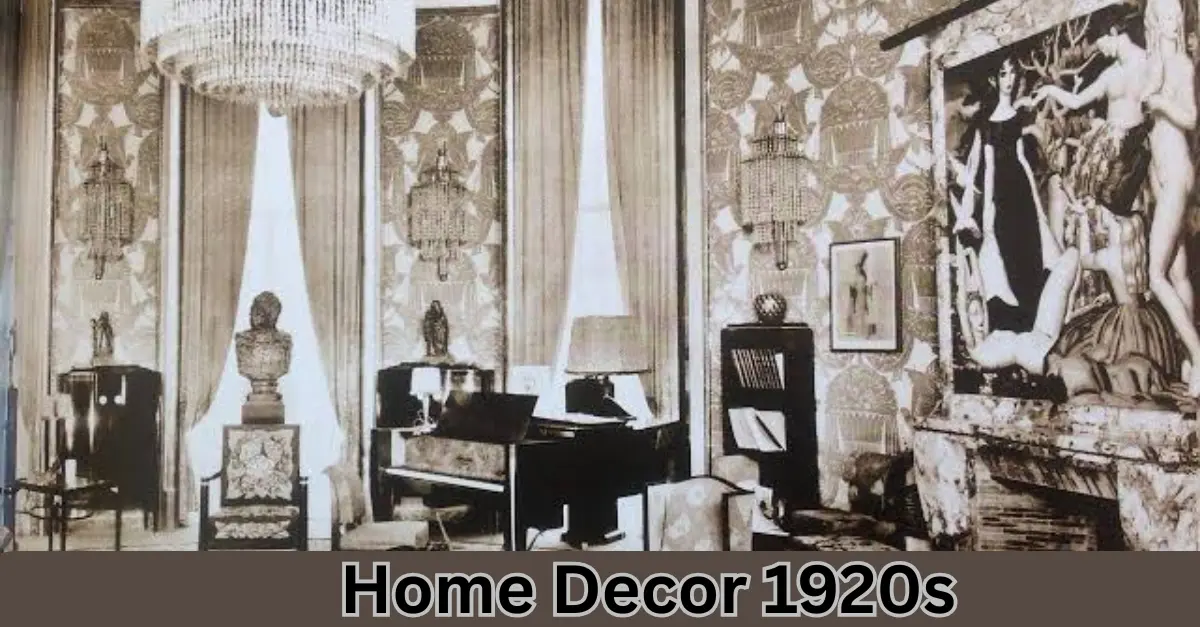
home decor 1920s is best known for the glamour, geometric forms, rich materials, and sophisticated interiors associated with the Jazz Age and Art Deco. For homeowners in the United States, this era offers plenty of inspiration without requiring a room to look like a museum.
The 1920s were a period of major change in American design. European influences, new technologies, growing cities, modern manufacturing, and changing social habits all affected the way people decorated their homes. The Smithsonian’s Cooper Hewitt notes that American design during the decade reflected European influences, urban growth, avant-garde movements, and technological change.
Today, you can capture the character of the period with geometric patterns, streamlined furniture, statement lighting, decorative mirrors, rich wood tones, metallic accents, and carefully chosen accessories.
What Is 1920s Home Decor?
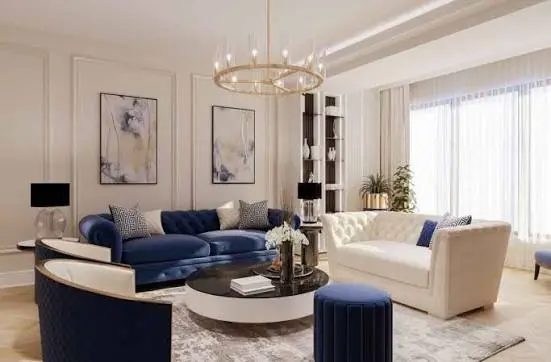
1920s home decor refers to interior styles popular during the 1920s, particularly the Art Deco and Jazz Age influences that emphasized glamour, geometry, craftsmanship, and modern living.
Art Deco is especially important when discussing home decor 1920s because the style became strongly associated with modern decorative arts during the decade. The name Art Deco comes from the 1925 Exposition Internationale des Arts Décoratifs et Industriels Modernes in Paris, an influential event that helped establish the style internationally.
Typical characteristics include:
- Geometric shapes
- Symmetrical arrangements
- Stylized sunbursts and fan motifs
- Rich wood finishes
- Mirrored surfaces
- Decorative glass
- Brass and other metallic details
- Luxurious-looking textiles
- Strong contrast between light and dark colors
- Streamlined furniture silhouettes
However, authentic 1920s interiors were not all identical. Art Deco existed alongside other design traditions, and American homes could combine modern decorative elements with older furniture and architectural styles.
Why Is 1920s Home Decor Still Popular?
The 1920s remain influential because the style combines historical character with clean shapes that can work in contemporary homes.
The period’s design has a distinctive balance: it can feel luxurious without necessarily being visually complicated. Geometric forms provide structure, while materials such as polished wood, glass, metal, and textiles add warmth and texture.
The Metropolitan Museum of Art describes Art Deco as a style associated with sleek modernity, elegance, refinement, and luxurious materials.
For a modern homeowner, that makes the style flexible. You can use a few period-inspired details in an otherwise contemporary room rather than completely recreating a 1920s interior.
Key Features of Home Decor 1920s Style
1. Geometric Patterns
Geometry is one of the easiest ways to create a 1920s-inspired room.
Look for:
- Fan shapes
- Zigzags
- Chevrons
- Arches
- Stepped forms
- Circles
- Rectangular patterns
- Sunburst designs
The Smithsonian’s Cooper Hewitt describes Art Deco’s formal language as including bold geometric lines and shapes, stylized motifs, and strong color fields.
You do not need geometric patterns everywhere. One patterned rug, wallpaper panel, or accent chair can establish the look.
2. Rich and Contrasting Colors
A 1920s-inspired palette can include both deep shades and lighter neutrals.
Popular combinations include:
- Black and ivory
- Deep green and brass
- Navy and cream
- Burgundy and warm beige
- Emerald and gold
- Charcoal and champagne
- Dark brown and ivory
For an American home, a practical approach is to use a neutral base and introduce stronger colors through furniture, curtains, artwork, or accessories.
3. Statement Lighting
Lighting plays a major role in creating the atmosphere of home decor 1920s.
Look for fixtures with:
- Frosted or decorative glass
- Brass or bronze finishes
- Geometric silhouettes
- Globe shapes
- Symmetrical details
- Fan or stepped motifs
A statement ceiling fixture can become the focal point of a dining room or entryway.
For smaller spaces, wall sconces and table lamps can create the same visual effect without overwhelming the room.
home decor 1920s brings timeless Art Deco inspiration into modern interiors. Many homeowners explore home decor 1920s ideas to create elegant and stylish rooms. With home decor 1920s, you can use geometric patterns, rich colors, brass accents, and decorative lighting. Modern home decor 1920s can combine vintage-inspired details with comfortable furniture and practical layouts. Choosing home decor 1920s elements carefully helps create a sophisticated space without making it feel outdated, while home decor 1920s remains a popular choice for people who appreciate classic design.
4. Decorative Mirrors
Mirrors work particularly well with Art Deco-inspired interiors because they add brightness while reinforcing geometric shapes.
Consider:
- Sunburst mirrors
- Octagonal mirrors
- Arched mirrors
- Multi-panel designs
- Geometric framed mirrors
Place a large decorative mirror above a console table, fireplace, or dining-room sideboard.
5. Elegant Wood Furniture
Furniture from the period could feature carefully selected woods, veneers, lacquer, and detailed craftsmanship.
The Metropolitan Museum’s collections include important Art Deco furniture using materials such as ebony, mahogany, satinwood, and other decorative veneers.
For a modern interpretation, you do not need expensive antique furniture. A dark wood sideboard, curved cabinet, or polished console can create a similar visual foundation.
home decor 1920s brings timeless Art Deco inspiration into modern interiors. Many homeowners explore home decor 1920s ideas to create elegant and stylish rooms. With home decor 1920s, you can use geometric patterns, rich colors, brass accents, and decorative lighting. Modern home decor 1920s can combine vintage-inspired details with comfortable furniture and practical layouts. Choosing home decor 1920s elements carefully helps create a sophisticated space without making it feel outdated, while home decor 1920s remains a popular choice for people who appreciate classic design.
Furniture Ideas for a 1920s-Inspired Home
The best furniture choices combine strong silhouettes with practical proportions.
Living Room
Start with one or two substantial pieces rather than filling the room with themed furniture.
Good choices include:
- A curved sofa
- Velvet or textured accent chairs
- A dark wood coffee table
- A geometric side table
- A polished console
- A decorative cabinet
A modern sofa can work surprisingly well if its shape is simple and its surrounding accessories provide the historical character.
Dining Room
A dining room is one of the easiest places to use 1920s-inspired design.
Try combining:
- A dark wood dining table
- Upholstered dining chairs
- A decorative pendant
- A large mirror
- A sideboard
- Metallic accessories
Keep the arrangement symmetrical where possible. Symmetry helps create the polished appearance associated with Art Deco interiors.
home decor 1920s brings timeless Art Deco inspiration into modern interiors. Many homeowners explore home decor 1920s ideas to create elegant and stylish rooms. With home decor 1920s, you can use geometric patterns, rich colors, brass accents, and decorative lighting. Modern home decor 1920s can combine vintage-inspired details with comfortable furniture and practical layouts. Choosing home decor 1920s elements carefully helps create a sophisticated space without making it feel outdated, while home decor 1920s remains a popular choice for people who appreciate classic design.
Bedroom
A 1920s-inspired bedroom should feel elegant rather than theatrical.
Consider a substantial headboard, coordinated bedside tables, decorative lamps, and rich textiles. A restrained geometric wallpaper can provide an effective background.
Choose two or three major design elements and let them do most of the work.
home decor 1920s brings timeless Art Deco inspiration into modern interiors. Many homeowners explore home decor 1920s ideas to create elegant and stylish rooms. With home decor 1920s, you can use geometric patterns, rich colors, brass accents, and decorative lighting. Modern home decor 1920s can combine vintage-inspired details with comfortable furniture and practical layouts. Choosing home decor 1920s elements carefully helps create a sophisticated space without making it feel outdated, while home decor 1920s remains a popular choice for people who appreciate classic design.
Materials That Define the Look
Materials are just as important as colors when recreating 1920s-inspired interiors.
The V&A notes that 1920s Art Deco designers explored luxurious surfaces and exotic materials, while high-end designers such as Émile-Jacques Ruhlmann became known for refined furniture and exotic wood veneers.
Wood
Dark or richly finished wood can provide warmth and contrast.
Glass
Decorative glass, mirrors, and translucent lampshades can introduce the elegant quality associated with Art Deco.
Metal
Brass, chrome, and other metallic finishes can add a polished accent.
Textiles
Velvet, patterned upholstery, decorative curtains, and textured rugs can make geometric furniture feel more comfortable.
Lacquer
Lacquered surfaces can provide the smooth, reflective appearance associated with luxury Art Deco interiors.
High-end historic examples sometimes used exceptionally expensive materials and labor-intensive techniques. The Metropolitan Museum documents the use of materials such as ebony, lacquer, exotic woods, and precious decorative finishes.
For a modern home, affordable alternatives can reproduce the visual effect without attempting to duplicate museum-quality craftsmanship.
How to Create 1920s Home Decor on a Budget
You can achieve a convincing 1920s-inspired look without buying genuine antiques.
The key is to prioritize visual impact.
Step 1: Choose a Color Palette
Start with two neutral colors and one or two accent colors.
For example:
Ivory + black + emerald green + brass
This gives the room a strong foundation without requiring every object to match.
Step 2: Add One Statement Piece
Choose one noticeable item such as:
- A geometric mirror
- An Art Deco-inspired lamp
- A patterned rug
- A curved chair
- A decorative cabinet
One strong feature often looks more sophisticated than many inexpensive themed decorations.
Step 3: Introduce Metallic Accents
Use brass or another suitable metal in small amounts.
You could add it through:
- Lamp bases
- Cabinet hardware
- Picture frames
- Mirror frames
- Side tables
- Decorative trays
Step 4: Add Texture
Texture prevents a room from looking flat.
Combine smooth surfaces with upholstery, rugs, curtains, and decorative objects.
Step 5: Keep the Room Functional
The goal is to create a home, not a stage set.
Leave enough open space for movement and choose furniture that works for your daily routine.
1920s Decor vs. Modern Art Deco
| Feature | Authentic 1920s Influence | Modern Interpretation |
|---|---|---|
| Furniture | Period pieces and craftsmanship | Contemporary furniture with Deco shapes |
| Materials | Exotic woods, lacquer, decorative metals | Veneers, painted finishes, glass, metal accents |
| Colors | Strong contrasts and rich shades | Neutral base with controlled accents |
| Lighting | Decorative statement fixtures | Modern fixtures with geometric forms |
| Accessories | Period decorative arts | Reproductions and simplified motifs |
| Overall feel | Historically specific | Comfortable and contemporary |
A modern interpretation is usually easier to live with because it preserves the visual language without requiring every item to come from the same historical period.
How to Avoid Making the Room Look Overdecorated
The biggest mistake with 1920s-inspired design is using too many obvious Art Deco motifs at once.
If every wall, cushion, lamp, table, and accessory features a geometric pattern, the room can quickly feel crowded.
Instead, use a simple hierarchy:
- Choose a primary furniture piece.
- Add one strong geometric element.
- Introduce metallic details.
- Use textiles for softness.
- Leave some surfaces visually quiet.
This creates a more sophisticated result.
The original high-end Art Deco tradition emphasized refined proportions and craftsmanship rather than simply covering interiors with decorative patterns. The Metropolitan Museum’s discussion of Ruhlmann, for example, highlights harmonious proportions, refined materials, and restrained ornament.
1920s Home Decor Ideas for Different Rooms
Entryway
Create an immediate impression with a geometric mirror, slim console table, decorative lamp, and small patterned rug.
Living Room
Combine a neutral sofa with a dark wood table, statement lighting, metallic accessories, and one geometric rug.
Kitchen
Use hardware, lighting, backsplash details, or cabinet accents to introduce the period influence without sacrificing modern appliances.
Bathroom
A black-and-white palette, geometric tile, brass hardware, and a framed mirror can create a subtle Art Deco atmosphere.
Home Office
Choose a dark wood desk, structured chair, decorative lamp, and a simple geometric artwork.
Dining Room
Use symmetry, a statement light fixture, upholstered chairs, and a substantial sideboard for the strongest 1920s effect.
Common Mistakes to Avoid
Mixing Too Many Colors
A large number of competing colors can weaken the sophisticated appearance of the style.
Using Only Gold
Art Deco is not simply “gold decoration.” Geometry, proportion, materials, contrast, and craftsmanship are equally important.
Buying Everything as a Matching Set
A room can look more natural when modern and vintage-inspired pieces are carefully mixed.
Ignoring Scale
A large decorative mirror may overwhelm a small room, while tiny accessories can disappear in a large living space.
Confusing Every 1920s Style With Art Deco
The decade included several design movements and traditions. Art Deco became one of its most recognizable decorative languages, but it should not be treated as the only form of 1920s interior design.
Sacrificing Comfort
A historically inspired room still needs to work for modern life. Choose comfortable seating, practical storage, and appropriate lighting.
How to Make 1920s Decor Feel Modern
The easiest way to modernize the style is to combine historical visual details with contemporary functionality.
For example, you could pair a modern neutral sofa with a Deco-inspired coffee table, a geometric rug, and a brass lamp.
Another approach is to keep the architecture simple and let the accessories carry the historical influence.
This works especially well in American homes where completely authentic period interiors may not suit the building’s existing architecture.
The Smithsonian’s research on American Art Deco shows how the style evolved in the United States, influencing furniture, textiles, glass, ceramics, silver, and architecture.
Benefits of 1920s-Inspired Home Decor
Strong Visual Identity
Geometric forms and distinctive lighting make the style immediately recognizable.
Works With Modern Furniture
You can incorporate individual elements without replacing everything in your home.
Creates a Sense of Luxury
Dark wood, reflective surfaces, textiles, and metallic accents can make a room feel polished.
Flexible Across Rooms
The design language works in living rooms, bedrooms, dining rooms, bathrooms, offices, and entryways.
Easy to Customize
You can make the style subtle or dramatic depending on your preferences.
Limitations to Consider
Authentic period furniture can be expensive, difficult to source, and sometimes unsuitable for modern lifestyles. Historic materials may also require specialist care.
Another limitation is that an aggressively themed room can become visually dated. A restrained approach generally offers more flexibility over time.
For that reason, modern homeowners may benefit from using the 1920s as inspiration rather than trying to reproduce an entire historical interior.
Art Deco home decorArt Deco history and designFrequently Asked Questions
What is the main style of home decor from the 1920s?
Art Deco is the most recognizable decorative style associated with the 1920s. It is characterized by geometric forms, symmetry, rich materials, stylized motifs, and an emphasis on elegance and modernity. However, 1920s homes also included other design influences, so not every interior from the decade was strictly Art Deco.
What colors were popular in 1920s home decor?
1920s-inspired interiors can use strong contrasts such as black and ivory, along with deep green, navy, burgundy, and metallic accents. The exact palette varied by interior and budget. For a modern home, using a neutral foundation with one or two rich accent colors is an easy way to create the period-inspired atmosphere without making the room feel overwhelming.
How can I make my home look Art Deco?
Start with geometric shapes, a strong color combination, statement lighting, decorative mirrors, and polished materials. You do not need to replace every piece of furniture. A modern sofa paired with a geometric rug, brass lighting, dark wood furniture, and a Deco-inspired mirror can create a convincing contemporary interpretation.
Is 1920s home decor the same as Art Deco?
Not exactly. Art Deco is one of the most important styles associated with the decade, but the 1920s included multiple interior-design traditions. Art Deco became especially influential after the 1925 Paris Exposition, which helped spread its modern geometric and luxurious visual language internationally.
Can I use 1920s decor in a modern house?
Yes. In fact, selective use is often the most practical approach. Keep your modern furniture and architecture, then introduce 1920s-inspired details through lighting, mirrors, rugs, artwork, hardware, and occasional furniture. This creates historical character while keeping the home comfortable and functional for everyday living.
Conclusion
Home decor 1920s style offers a distinctive combination of geometry, elegance, craftsmanship, rich materials, and Jazz Age character. Art Deco is the strongest influence to explore, particularly if you want a room that feels glamorous while remaining structured and practical.
You do not need an authentic 1920s house or a collection of antiques to achieve the look. Start with a restrained color palette, choose one statement piece, introduce geometric patterns, add polished materials, and use lighting and mirrors to reinforce the style.
For the best result, think of the 1920s as a design reference rather than a strict decorating rulebook. Mix period-inspired details with modern comfort, and your home can feel sophisticated, personal, and timeless.
