

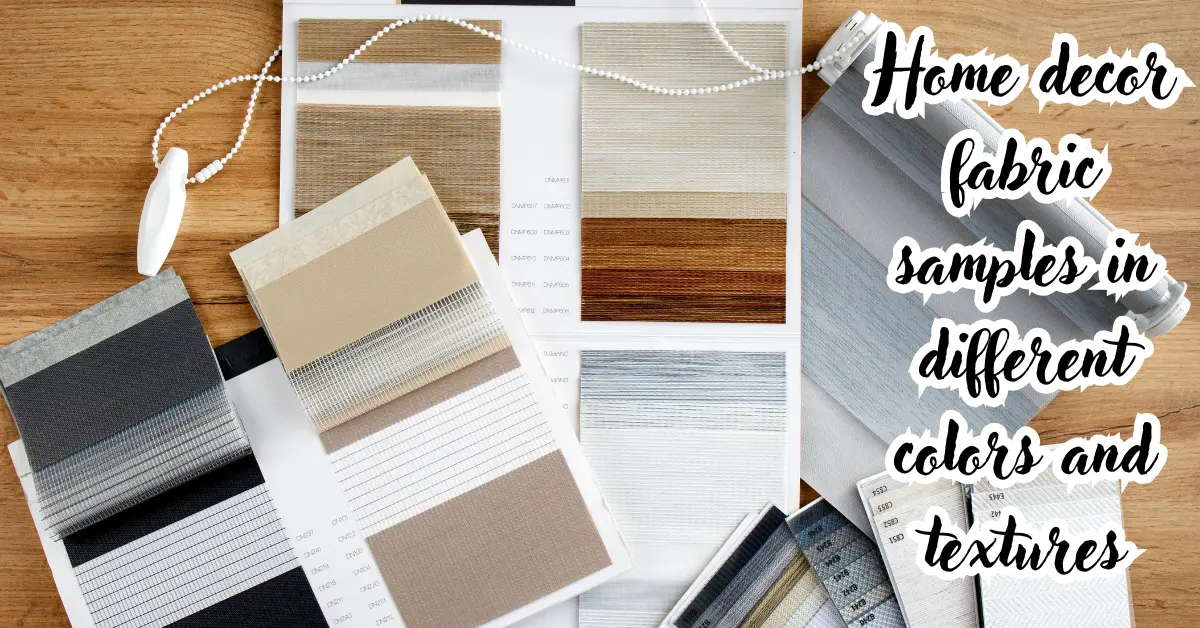
Home decor fabric is textile material used to furnish, decorate, protect, or add comfort to spaces inside a home. It can be used for sofas, chairs, curtains, cushions, pillows, ottomans, table coverings, bedding, and other decorative elements.
The right fabric can change how a room looks and feels while also affecting comfort, durability, maintenance, and overall practicality. A beautiful fabric is not always the best choice for a frequently used sofa, just as a highly durable upholstery material may not create the soft appearance you want for decorative pillows.
This guide explains the most common types of home decor fabric, where to use them, how to choose the right material, what to consider for different rooms, and how to care for your fabrics. It also covers common buying mistakes so you can make a more confident choice for your home.
Home Decor Fabric can add comfort, texture, and personality to almost any room. From curtains and cushions to upholstery and table linens, Home Decor Fabric offers many ways to refresh an interior. Choosing the right Home Decor Fabric can complement your furniture, colors, and overall decorating style. Whether you prefer cotton, linen, velvet, or patterned materials, Home Decor Fabric makes it easy to create a warm and inviting home.
What Are the Main Types of Home Decor Fabric?
The main types of home decor fabric include cotton, linen, velvet, polyester, chenille, microfiber, wool, canvas, and blends. Each has different characteristics related to appearance, comfort, durability, cleaning, and price.
There is no single fabric that is perfect for every application. The best option depends on where the fabric will be used and how much wear it will receive.
Cotton
Cotton is a popular natural fiber because it is comfortable, versatile, and available in many colors and patterns.
Cotton fabric works well for:
- Decorative pillows
- Curtains
- Bedding
- Lightweight upholstery
- Table linens
- Slipcovers
One advantage of cotton is its broad range of styles. You can find everything from simple solid colors to printed designs.
However, cotton can wrinkle and may be more susceptible to staining or wear than some performance-oriented synthetic fabrics. For heavily used furniture, a cotton blend or treated upholstery material may be more practical.
Linen
Linen is made from flax fibers and is known for its natural texture and relaxed appearance.
Linen is especially suitable for:
- Curtains
- Throw pillows
- Bedding
- Decorative accents
- Casual upholstery
Its slightly textured appearance works particularly well with coastal, farmhouse, minimalist, Scandinavian, and contemporary interiors.
The main limitation is that linen can wrinkle easily. If you prefer a perfectly smooth appearance, another fabric may require less maintenance.
Velvet
Velvet has a soft surface and distinctive texture that can give furniture and accessories a more luxurious appearance.
It can be used for:
- Accent chairs
- Sofas
- Ottomans
- Decorative pillows
- Headboards
- Curtains
Velvet can create visual depth because its surface reflects light differently depending on the direction of the pile.
When selecting velvet for furniture, look for upholstery-grade material designed for the intended application rather than choosing a fabric solely because it looks attractive.
Polyester
Polyester is a synthetic fiber widely used in home furnishings because it can offer good durability, color variety, and relatively easy maintenance.
Polyester is commonly found in:
- Upholstery
- Curtains
- Cushions
- Bedding
- Decorative fabrics
- Blended textiles
It is also frequently combined with other fibers. A polyester blend can provide a different balance of softness, texture, durability, and appearance.
Chenille
Chenille is recognized for its soft, textured surface and comfortable feel.
It is commonly used for:
- Sofas
- Sectionals
- Accent chairs
- Cushions
- Pillows
Chenille can be a good option when comfort and texture are important. However, the suitability of a particular chenille depends on its construction and intended use, so check the manufacturer’s specifications before using it for heavily used furniture.
Home Decor Fabric can add comfort, texture, and personality to almost any room. From curtains and cushions to upholstery and table linens, Home Decor Fabric offers many ways to refresh an interior. Choosing the right Home Decor Fabric can complement your furniture, colors, and overall decorating style. Whether you prefer cotton, linen, velvet, or patterned materials, Home Decor Fabric makes it easy to create a warm and inviting home.
Microfiber
Microfiber is a very fine synthetic textile often made from polyester or a polyester blend.
It is commonly used for furniture because it can feel soft while offering practical everyday performance.
Microfiber may work well for:
- Sofas
- Recliners
- Family-room chairs
- Ottomans
- Casual furniture
It is particularly worth considering in spaces where furniture receives frequent everyday use. Always follow the manufacturer’s cleaning instructions because different microfiber products can have different care requirements.
Wool
Wool is a natural fiber known for warmth, resilience, and texture.
In home interiors, wool can be used for:
- Upholstery
- Throws
- Rugs
- Decorative textiles
- Blankets
Wool can provide a sophisticated, natural appearance, but it may require more specialized care than some synthetic fabrics.
Canvas
Canvas is a tightly woven fabric that is valued for its sturdy construction.
It can be suitable for:
- Slipcovers
- Casual upholstery
- Outdoor-inspired interiors
- Decorative storage
- Heavy-use fabric projects
Canvas generally creates a more structured and casual appearance than fabrics such as velvet or linen.
How Do You Choose the Best Home Decor Fabric?
The best home decor fabric depends on five major factors: where it will be used, how much wear it will receive, how it should look, how it will be cleaned, and your budget.
Before purchasing fabric, think about the job it needs to perform rather than choosing solely based on color.
1. Consider Where the Fabric Will Be Used
Different applications require different properties.
For example, a decorative pillow may not need the same durability as a family-room sofa. Likewise, curtain fabric has different requirements from dining chair upholstery.
Consider whether you need fabric for:
- Furniture
- Windows
- Pillows
- Bedding
- Dining areas
- Decorative accents
- High-traffic spaces
2. Think About Durability
Durability becomes especially important for furniture that receives regular use.
A sofa used every day needs a different fabric selection strategy than an occasional accent chair.
For upholstery, look at the manufacturer’s specifications and intended-use recommendations. If available, review abrasion or durability information, but do not treat one test number as the only measure of quality.
Construction, fiber type, weave, finishing, cleaning method, and actual household use can all influence how a fabric performs.
3. Check the Cleaning Requirements
A fabric that looks beautiful but requires inconvenient maintenance may become frustrating over time.
Before buying, find out:
- Whether the fabric is machine washable
- Whether spot cleaning is recommended
- Which cleaning products are permitted
- Whether professional cleaning is required
- Whether the fabric can be removed from the furniture
- Whether the manufacturer’s instructions specify special care
Always follow the care instructions supplied with the specific product.
4. Match the Fabric to Your Interior Style
Fabric is an important part of a room’s visual character.
For a relaxed interior, linen or cotton can create a natural look. Velvet can add richness, while textured woven fabrics can create warmth and visual interest.
Think about the existing:
- Wall colors
- Flooring
- Furniture
- Lighting
- Window treatments
- Rugs
- Decorative accessories
The fabric should complement the overall room rather than competing with every other element.
Home Decor Fabric can add comfort, texture, and personality to almost any room. From curtains and cushions to upholstery and table linens, Home Decor Fabric offers many ways to refresh an interior. Choosing the right Home Decor Fabric can complement your furniture, colors, and overall decorating style. Whether you prefer cotton, linen, velvet, or patterned materials, Home Decor Fabric makes it easy to create a warm and inviting home.
5. Set a Realistic Budget
Fabric prices vary significantly depending on fiber, construction, brand, design, performance characteristics, and intended use.
Instead of choosing the cheapest material available, consider the total value.
For a heavily used sofa, investing in a fabric designed for upholstery may make more sense than choosing a delicate decorative textile that was never intended for that application.
Home Decor Fabric for Different Rooms
The ideal fabric can vary considerably from one room to another because every space has different functional requirements.
Living Room
Living rooms often contain the home’s most frequently used upholstered furniture.
For sofas and sectionals, prioritize:
- Durability
- Comfort
- Easy maintenance
- Color practicality
- Appropriate upholstery construction
Performance-oriented polyester blends, microfiber, chenille, and other upholstery fabrics can be worth considering depending on your needs.
For decorative pillows, you have much more flexibility. Cotton, linen, velvet, and patterned fabrics can all work well.
Bedroom
Bedrooms usually emphasize comfort and softness.
Suitable choices may include:
- Cotton
- Linen
- Velvet
- Soft polyester blends
- Wool for selected accents
Linen and cotton can create a breathable, relaxed appearance, while velvet can add a more dramatic decorative element.
For upholstered headboards, choose a material specifically suitable for upholstery and consider how easily it can be maintained.
Dining Room
Dining chairs can experience spills, friction, and frequent movement.
For dining upholstery, consider a fabric that is:
- Durable
- Practical to clean
- Appropriate for frequent use
- Compatible with the chair’s construction
If meals are regularly eaten in the room, stain resistance and cleaning instructions may be more important than choosing the softest possible material.
Kitchen and Breakfast Areas
Fabric used around food should be selected with practicality in mind.
For kitchen-adjacent seating, removable or washable covers can be useful when available.
Curtains and decorative textiles should also be chosen according to their distance from cooking areas and the manufacturer’s care recommendations.
Home Office
A home office typically requires less decorative upholstery than a living room, but fabric can still make the space more comfortable.
Consider fabric for:
- Office chairs
- Curtains
- Cushions
- Small accent chairs
Neutral woven textiles can create a professional appearance, while patterned fabrics can introduce personality without overwhelming the room.
Home Decor Fabric for Curtains
Curtain fabric affects privacy, light control, texture, and the overall appearance of windows.
The right material depends on the purpose of the curtains.
Lightweight Curtains
Linen, cotton, and lightweight blends can work well when you want a soft, airy appearance.
They can allow more natural light into a room depending on their construction and color.
Room-Darkening or Light-Blocking Curtains
If controlling incoming light is a priority, look for curtains specifically designed for that purpose.
The fabric alone does not always determine performance. Lining, weave, color, construction, and installation can all influence how much light enters the room.
Decorative Curtains
If the primary goal is visual impact, consider texture, pattern, and drape.
Velvet, textured weaves, linen-look fabrics, and patterned textiles can create a strong focal point around windows.
Home Decor Fabric for Sofas and Upholstery
Choosing fabric for a sofa requires more attention than choosing fabric for a decorative pillow.
A sofa can experience repeated sitting, friction, spills, pet contact, and general household use.
What Should You Look for in Sofa Fabric?
Look for:
- Appropriate upholstery construction
- Suitable durability for your household
- Practical cleaning requirements
- Comfortable texture
- Color compatibility
- Manufacturer’s recommended application
If you have children or pets, maintenance may be particularly important. A fabric that can tolerate regular cleaning may be more practical than a delicate textile.
Home Decor Fabric can add comfort, texture, and personality to almost any room. From curtains and cushions to upholstery and table linens, Home Decor Fabric offers many ways to refresh an interior. Choosing the right Home Decor Fabric can complement your furniture, colors, and overall decorating style. Whether you prefer cotton, linen, velvet, or patterned materials, Home Decor Fabric makes it easy to create a warm and inviting home.
Should You Choose Light or Dark Fabric?
Neither is automatically better.
Light fabrics can make a room feel bright and open, but visible stains may be more noticeable. Dark fabrics can provide visual depth and may disguise some everyday marks, but dust and lint can sometimes be more visible.
The best choice depends on your room, lighting, household habits, and maintenance expectations.
Natural vs. Synthetic Home Decor Fabric
Natural and synthetic fabrics each have advantages. Your choice should depend on performance requirements rather than assuming one category is always superior.
| Feature | Natural Fabrics | Synthetic Fabrics |
| Examples | Cotton, linen, wool | Polyester, microfiber |
| Feel | Often soft and natural | Can range from smooth to highly textured |
| Appearance | Often organic and distinctive | Extremely varied |
| Durability | Depends on fiber and construction | Often available in highly durable options |
| Maintenance | Varies considerably | Often designed for practical care |
| Best use | Decorative and comfort-focused applications | Everyday and performance-focused applications |
It is also important to remember that blends combine different fibers. A cotton-polyester or linen-polyester blend, for example, can offer characteristics from both materials.
What Is Performance Fabric?
Performance fabric generally refers to textiles designed or finished to provide specific functional benefits, such as increased resistance to stains, moisture, fading, abrasion, or everyday wear.
Performance characteristics vary significantly between products.
Some performance fabrics are designed specifically for upholstery and high-use environments, while others are intended for different applications.
When shopping, look beyond the word “performance” and check the actual manufacturer’s specifications.
How Much Fabric Do You Need?
The amount of fabric required depends on the project.
A small cushion may require only a limited amount of material, while reupholstering a large sectional can require substantially more.
Before ordering fabric:
- Measure the furniture or project carefully.
- Identify the fabric’s usable width.
- Account for seams and construction.
- Consider pattern matching if the fabric has a repeat.
- Add an appropriate amount for cutting and installation.
- Confirm the quantity with an upholstery or sewing professional when necessary.
Patterned fabrics can require additional material because motifs may need to be aligned across separate pieces.
For expensive upholstery projects, it is wise to verify measurements before placing a large fabric order.
How to Buy Home Decor Fabric Online
Buying fabric online gives you access to a much wider range of colors, patterns, textures, and materials, but there is one major limitation: you cannot fully judge a textile from a screen.
Order Samples First
A sample lets you examine:
- Actual color
- Texture
- Thickness
- Pattern scale
- Softness
- Light reflection
- Overall quality
A fabric that looks beige on your monitor might appear warmer, cooler, lighter, or darker in your home.
View the Sample in Your Room
Place the sample near the furniture or window where the finished fabric will be used.
Check it during different lighting conditions, including daylight and evening lighting.
This can prevent expensive color mistakes.
Read the Product Specifications
Do not rely solely on product photographs.
Check information such as:
- Fiber content
- Fabric width
- Intended application
- Cleaning instructions
- Durability information
- Pattern repeat
- Indoor or outdoor suitability
- Manufacturer recommendations
Common Home Decor Fabric Mistakes to Avoid
Choosing Appearance Over Function
A fabric can look perfect in a showroom or online photograph but perform poorly in your intended application.
Always ask whether the material is actually designed for the job.
Ignoring Cleaning Instructions
Before buying, determine how the fabric should be cleaned.
This is especially important for sofas, dining chairs, and other furniture that may experience spills.
Buying Without a Sample
Color and texture can look completely different in person.
A sample is one of the easiest ways to reduce the risk of ordering unsuitable fabric.
Forgetting Pattern Repeat
Large or repeating patterns may require additional fabric because the design needs to be matched between sections.
Ignoring this factor can lead to shortages during installation.
Using Curtain Fabric for Upholstery Without Checking
Not every curtain textile is appropriate for furniture.
Upholstery involves repeated friction and mechanical stress, so always check the manufacturer’s intended use.
Choosing Based Only on Price
The cheapest option may not provide the durability or maintenance characteristics your project requires.
Instead, compare the material’s suitability, expected use, maintenance, and overall value.
How to Care for Home Decor Fabric
Proper care begins with following the manufacturer’s instructions.
Different fabrics require different cleaning methods, so avoid assuming that a technique suitable for one material will work for another.
Home Decor Fabric can add comfort, texture, and personality to almost any room. From curtains and cushions to upholstery and table linens, Home Decor Fabric offers many ways to refresh an interior. Choosing the right Home Decor Fabric can complement your furniture, colors, and overall decorating style. Whether you prefer cotton, linen, velvet, or patterned materials, Home Decor Fabric makes it easy to create a warm and inviting home.
Basic Fabric Care Tips
- Vacuum upholstered furniture regularly using an appropriate attachment.
- Address spills according to the manufacturer’s cleaning instructions.
- Avoid harsh cleaning products unless specifically recommended.
- Keep fabrics away from unnecessary prolonged sunlight when fading is a concern.
- Wash removable covers only according to their care labels.
- Rotate or rearrange cushions when the manufacturer recommends it.
- Test any approved cleaning method on an inconspicuous area when appropriate.
Professional cleaning may be appropriate for certain upholstery materials.
How Can You Make Fabric Last Longer?
The best way to extend the useful life of decorative textiles is to match the fabric to the environment and maintain it correctly.
For high-use furniture, choose fabric designed for the level of wear it will receive. Keep furniture clean, follow care instructions, and address spills promptly using approved methods.
Environmental factors also matter. Strong direct sunlight can contribute to fading in some textiles, while excessive moisture can create other problems.
Good fabric selection at the beginning is often just as important as maintenance later.
Home Decor Fabric Trends and Timeless Choices
Trends can be useful for inspiration, but a home does not need to follow every current design trend.
Natural textures, neutral colors, subtle patterns, and layered textiles can work across many interior styles.
If you want a more timeless room, consider using durable neutral upholstery and adding trend-focused colors or patterns through easier-to-replace items such as pillows, throws, and small decorative pieces.
This approach can make it easier to refresh the room without replacing major furniture.
Choosing the right upholstery fabric is important for sofas and chairs because these pieces receive regular everyday use.
For more information about textile fibers, you can also refer to consumer guidance from the Federal Trade Commission.
Frequently Asked Questions About Home Decor Fabric
What is the best fabric for home decor?
There is no single best fabric for every home decor project. Cotton and linen can work well for many decorative applications, while polyester blends, microfiber, chenille, and other upholstery textiles may be more suitable for frequently used furniture. The best choice depends on durability, comfort, appearance, maintenance, and the specific application.
What fabric is best for a sofa?
The best sofa fabric is one that matches the amount of use the sofa receives and the maintenance level you are comfortable with. Look for upholstery fabric with appropriate durability and cleaning specifications. Homes with children or pets may benefit from practical, easy-care options, while occasional furniture can allow more flexibility in fabric selection.
Is cotton or polyester better for home decor?
Neither is universally better. Cotton offers a natural feel and versatile appearance, while polyester can provide practical durability and easy-care characteristics depending on its construction. Blended fabrics can combine properties from both fibers. Consider the specific furniture or decorative application before choosing between them.
How do I choose fabric for curtains?
Choose curtain fabric based on the amount of light, privacy, insulation, appearance, and maintenance you want. Lightweight fabrics can create an airy appearance, while lined or specially designed room-darkening curtains can provide greater light control. Always check the fabric’s dimensions and care instructions before purchasing.
Should I order fabric samples before buying?
Yes. Ordering samples is particularly useful when purchasing fabric online or making a large upholstery investment. A sample allows you to evaluate the actual color, texture, thickness, pattern scale, and appearance under your home’s lighting. It can also help you compare multiple fabrics before committing to a larger quantity.
Final Thoughts on Choosing Home Decor Fabric
Choosing the right home decor fabric is about finding the right balance between appearance and performance.
Start by identifying where the fabric will be used. Then consider durability, cleaning requirements, comfort, color, texture, pattern, and budget. A decorative pillow gives you more freedom to prioritize appearance, while a heavily used sofa requires much more attention to construction and durability.
Natural fabrics such as cotton, linen, and wool can bring distinctive textures and a comfortable, organic character to interiors. Synthetic materials such as polyester and microfiber can offer practical options for everyday use, while blends can combine characteristics from multiple fibers.
Most importantly, do not select fabric based only on a photograph or color swatch. Check the manufacturer’s specifications, order samples when possible, and make sure the material is designed for the application you have in mind.
If you are starting a new decorating project, begin with one room and identify the fabrics you actually need. Compare a few samples under your home’s lighting, check their care requirements, and choose the option that fits both your design goals and everyday lifestyle.
