

introduction
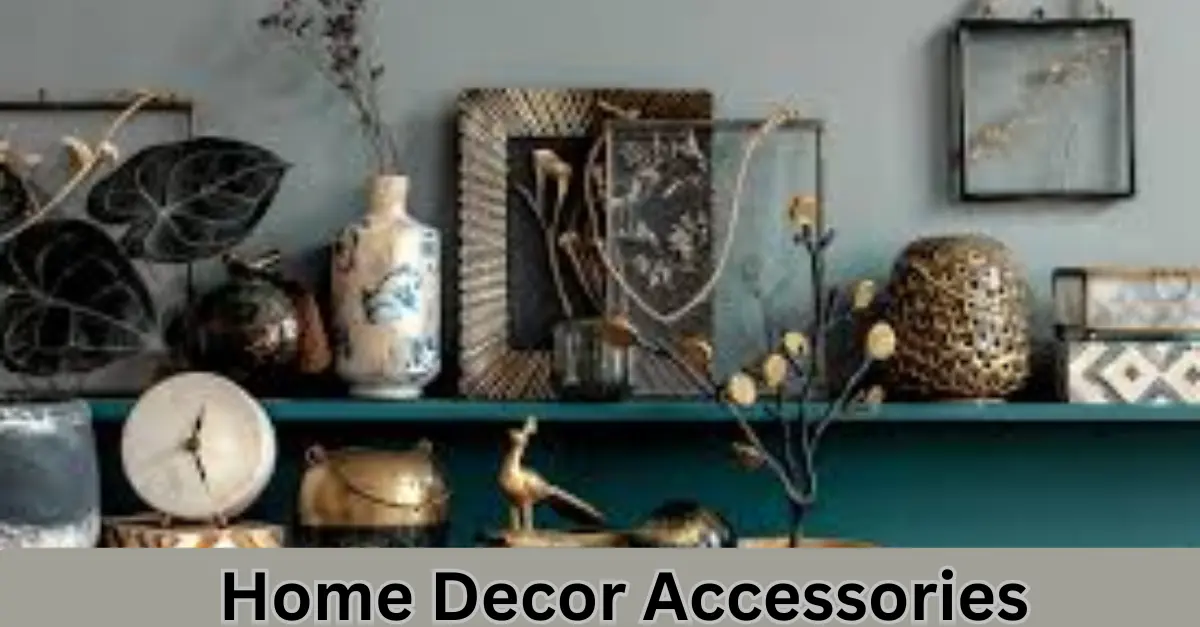
home decor accessories can transform an ordinary room into a space that feels polished, comfortable, and personal. From decorative pillows and vases to mirrors, wall art, rugs, candles, trays, and accent lighting, the right pieces can add color, texture, warmth, and character without requiring a complete renovation. This guide explains how to choose and arrange home decor accessories for different rooms, how to match them with your existing style, what mistakes to avoid, and how to create a balanced look in an American home.
What Are Home Decor Accessories?
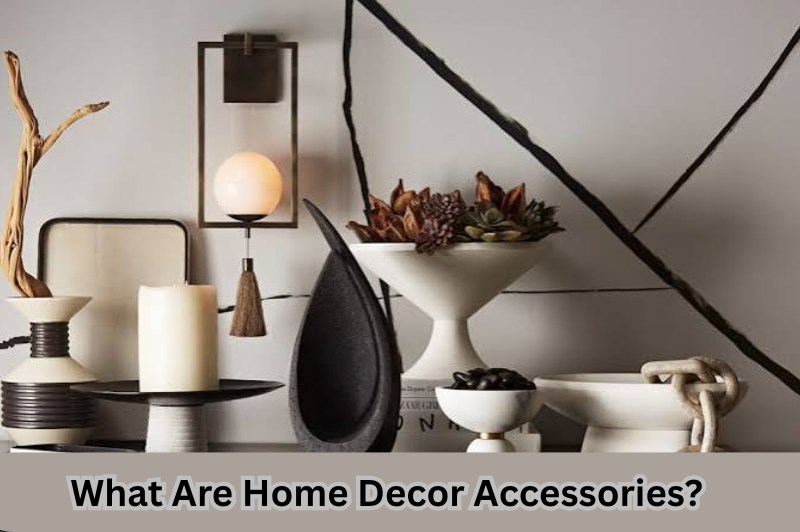
Home decor accessories are decorative or decorative-functional items used to enhance the appearance, atmosphere, and personality of an interior space. Unlike major furniture or permanent architectural features, accessories are generally easier to move, replace, rearrange, or update.
Common examples include:
- Throw pillows and blankets
- Vases and decorative bowls
- Mirrors
- Wall art and framed prints
- Candles and candleholders
- Table lamps
- Decorative trays
- Baskets and storage pieces
- Clocks
- Sculptures and figurines
- Indoor plants and planters
- Area rugs
- Curtains and other soft furnishings
The key benefit is flexibility. You can change accessories seasonally or when your preferences change without replacing your sofa, dining table, bed, or other large furniture.
Why Home Decor Accessories Matter
The right accessories can make a room feel finished without making it feel overdecorated. They provide the smaller visual details that connect furniture, colors, textures, and architectural features.
For example, a neutral living room with a beige sofa may look plain on its own. Adding a textured throw, patterned cushions, a ceramic vase, framed artwork, and a warm table lamp can create more visual interest while keeping the same furniture.
The Main Benefits
Personalization: Accessories allow you to show your taste through colors, artwork, materials, and objects that have meaning to you.
Visual balance: Carefully selected pieces can balance large furniture and empty wall or tabletop areas.
Color coordination: Accessories provide an easy way to introduce accent colors without repainting an entire room.
Texture: Materials such as wood, glass, ceramic, metal, cotton, wool, and woven fibers create depth.
Easy updates: Changing a few accessories can refresh a room when you want a new look.
Best Home Decor Accessories for the Living Room
The living room is one of the easiest places to use accessories because it usually includes several surfaces and focal points. The best approach is to combine practical pieces with decorative accents rather than filling every available space.
Throw Pillows and Blankets
Pillows can introduce color and pattern while blankets add softness and texture. Instead of choosing every pillow from the same collection, combine complementary patterns and solid colors.
A simple arrangement might include:
- Two larger neutral pillows
- One patterned accent pillow
- One smaller textured pillow
- A folded throw over the sofa arm
The goal is coordination rather than perfect matching.
Coffee Table Decor
A coffee table can become a natural focal point with a small arrangement of carefully selected pieces.
Try combining:
- A decorative tray
- A coffee-table book
- A small vase
- A bowl
- A low-maintenance plant
Keep enough empty space for practical use. A beautiful coffee table is still a functional surface, so avoid covering the entire top.
Wall Art and Mirrors
Wall art can establish the visual personality of a living room. Large artwork can create a strong focal point, while a group of smaller frames can produce a more collected appearance.
Mirrors can also work well because they add decorative interest while helping reflect available light. The size and placement should suit the wall rather than simply filling an empty area.
Home Decor Accessories for the Bedroom
Bedroom accessories should support a calm and comfortable environment. Instead of using too many decorative objects, focus on softness, layering, and a few meaningful accents.
Bedding Accessories
Decorative pillows, blankets, cushions, and a bed runner can add layers to the bed.
For a simple look, start with a neutral base and introduce one or two accent colors. For example, white or cream bedding can work with muted blue, green, brown, or terracotta accessories.
Bedside Decor
A nightstand usually needs only a few useful items. A lamp, small decorative object, framed photograph, or compact plant can be enough.
Avoid filling the nightstand with unnecessary objects. Keeping some open space makes the room feel more organized.
Bedroom Wall Decor
Framed artwork, photographs, mirrors, or a simple gallery arrangement can personalize the bedroom. Choose imagery that complements the room’s overall mood rather than competing with the bedding.
Home Decor Accessories for the Dining Room
Dining areas benefit from accessories that look attractive while remaining practical.
Centerpieces
A dining table centerpiece can be as simple as a vase with flowers or branches. A decorative bowl, candleholder arrangement, or low tray can also work.
Keep the centerpiece low enough that people can comfortably see across the table.
Table Settings
For everyday dining, consider using:
- Placemats
- Cloth napkins
- Napkin rings
- A small centerpiece
- Decorative serving pieces
For special occasions, you can introduce seasonal colors and additional table accents.
Home Decor Accessories for the Kitchen
Kitchen decor should balance appearance and functionality. Since kitchens already contain appliances, cookware, and food-preparation equipment, excessive decoration can quickly create visual clutter.
Useful accessories include:
- Decorative cutting boards
- Countertop canisters
- Fruit bowls
- Small plants
- Kitchen runners
- Ceramic utensil holders
- Wall art designed for kitchen spaces
- Decorative trays
Choose pieces that can tolerate the kitchen environment and are easy to clean.
Home Decor Accessories for the Bathroom
Small accessories can make a bathroom feel more coordinated without taking up much space.
Consider:
- Soap dispensers
- Small trays
- Storage baskets
- Decorative towels
- Small mirrors
- Minimal wall art
- Toothbrush holders
- Small plants suitable for the room’s conditions
The bathroom benefits from restraint. A few coordinated accessories usually look better than numerous small objects scattered across counters.
How to Choose Home Decor Accessories
Choosing accessories becomes easier when you start with the room you already have rather than buying random items first.
Step 1: Identify Your Interior Style
First, determine the overall look you want.
Popular styles include:
- Modern
- Minimalist
- Traditional
- Farmhouse
- Scandinavian
- Bohemian
- Industrial
- Coastal
- Transitional
- Contemporary
You do not have to follow one style strictly. Mixing styles can work when the colors, materials, or proportions create a visual connection.
Step 2: Choose a Color Palette
Start with the colors already present in the room. Then select one or two accent colors.
A practical approach is the 60-30-10 principle often used in interior styling: a dominant color covers most of the room, a secondary color supports it, and a smaller accent color provides contrast.
It should be treated as a flexible guideline rather than a strict decorating rule.
Step 3: Mix Textures
Rooms can look flat when every surface uses the same material.
Try combining:
- Wood
- Glass
- Ceramic
- Metal
- Woven fibers
- Cotton
- Wool
- Linen
For example, a wooden coffee table can be paired with a ceramic vase, woven basket, soft throw, and glass object.
Step 4: Consider Scale and Proportion
Scale is one of the most important factors when selecting accessories.
A tiny piece can disappear on a large console table, while an oversized decoration may overwhelm a small shelf.
Before buying, consider:
- Furniture size
- Wall dimensions
- Ceiling height
- Available surface space
- Visual weight of surrounding objects
How to Arrange Home Decor Accessories
A good arrangement usually has variation rather than identical spacing.
Use Groups of Three
Grouping three objects of different heights can create an easy visual hierarchy.
For example, on a console table you might use:
- A tall vase
- A medium-sized framed piece
- A small decorative bowl
The objects do not need to be identical. Their relationship in height, color, or material is what creates cohesion.
Create a Focal Point
Every major area does not need several focal points competing for attention.
Choose one dominant feature, such as:
- A large artwork
- A statement mirror
- A fireplace
- A distinctive vase
- A beautiful light fixture
Then use smaller accessories to support it.
Leave Negative Space
Empty space is not wasted space. It allows decorative objects to stand out and helps prevent a room from feeling crowded.
This is especially important for shelves, coffee tables, kitchen counters, and nightstands.
Home Decor Accessories by Material
Material can dramatically change the character of an accessory.
| Material | Best For | Visual Effect |
|---|---|---|
| Wood | Trays, frames, bowls | Warm and natural |
| Glass | Vases, decorative objects | Light and refined |
| Ceramic | Vases, bowls, planters | Artistic and versatile |
| Metal | Frames, lamps, accents | Modern or industrial |
| Woven fibers | Baskets, trays | Relaxed and organic |
| Fabric | Pillows, throws, rugs | Soft and comfortable |
The strongest interiors often combine several materials instead of relying on just one.
How to Decorate on a Budget
You do not need to purchase dozens of accessories to improve a room. A smaller collection of well-selected pieces can create a stronger result.
Focus on High-Impact Areas
Prioritize areas that naturally attract attention:
- Coffee tables
- Entryway consoles
- Empty walls
- Open shelving
- Dining tables
- Bed surfaces
Rearrange Before Buying
Before shopping, move existing accessories between rooms. A vase that looks ordinary in one location may become a strong accent somewhere else.
Shop With a Plan
Create a short list before purchasing. For example:
- One large wall piece
- Two accent pillows
- One table lamp
- One decorative tray
- One plant or planter
This prevents unnecessary purchases and makes it easier to maintain a consistent style.
Common Home Decor Mistakes to Avoid
Using Too Many Accessories
More decoration does not automatically mean better decoration. Too many objects can create visual noise.
Matching Everything
A room where every accessory has exactly the same color, material, and pattern can feel artificial. Introduce controlled variation.
Ignoring Scale
Small accessories may disappear in large rooms, while oversized pieces can make compact spaces feel crowded.
Blocking Functionality
Do not place decorations where they interfere with doors, walkways, seating, lighting controls, or everyday activities.
Buying Before Measuring
Measure shelves, walls, tables, and available spaces before purchasing larger pieces. This simple step can prevent expensive sizing mistakes.
How to Create a Cohesive Home
A cohesive home does not mean every room needs to look identical. Instead, repeat a few visual elements throughout the house.
For example, you could use:
- Similar wood tones
- A consistent metal finish
- Repeated accent colors
- Related artwork styles
- Similar textile textures
This creates continuity while still allowing every room to have its own personality.
Seasonal Home Decor Accessories
Seasonal decorating can refresh your home without changing major furniture.
Spring
Use lighter textiles, fresh-looking greenery, soft colors, and floral accents.
Summer
Natural textures, brighter accents, lightweight fabrics, and coastal-inspired details can create a relaxed feel.
Fall
Warm-toned pillows, textured throws, wood accents, and seasonal arrangements can add coziness.
Winter
Layered blankets, soft lighting, candles, greenery, and richer textures can make living spaces feel warmer.
Seasonal decorating works best when home decor accessories you store smaller accessories and rotate them instead of constantly adding new items.
What Should You Look for When Buying Home Decor Accessories?
Before purchasing, ask five simple questions:
- Does it fit the room’s style?
- Is the size appropriate?
- Does the color work with the existing palette?
- Is it practical for the intended location?
- Will I still like it after the current trend fades?
For online purchases, also check dimensions, materials, care instructions, product photographs, return policies, and customer reviews where available.
Home Decorhome decor inspirationhome decor inspirationFrequently Asked Questions
What are the most popular home decor accessories?
Popular home decor accessories include throw pillows, decorative vases, mirrors, wall art, rugs, candles, lamps, baskets, trays, plants, and decorative bowls. The best choice depends on the room, existing furniture, personal style, and available space. A few appropriately sized pieces can often create more impact than filling a room with many small decorations. home decor accessories
How do I choose home decor accessories for my living room?
Start by identifying the room’s existing colors, furniture style, and focal point. Then add accessories that introduce complementary color, texture, and height. Consider pillows, throws, artwork, lamps, vases, trays, and plants. Keep functional surfaces usable and leave some empty space so the arrangement does not feel overcrowded.
How many home decor accessories should I use?
There is no universal number because room size, furniture, and personal taste vary. Instead of counting objects, focus on balance. Group related pieces, vary their heights, and leave negative space between arrangements. If a surface feels visually crowded or difficult to use, remove a few items and reassess the composition.
What home decor accessories make a room look expensive?
Accessories with strong proportions, quality-looking materials, and coordinated colors can create a more polished appearance. Large-scale artwork, well-chosen lighting, textured textiles, ceramic pieces, mirrors, and carefully arranged decorative objects can make a noticeable difference. The key is not price alone but how well the pieces work together within the room.
How can I decorate my home without spending too much?
Start by rearranging what you already own and focus your budget on a few high-impact pieces. Updating pillows, throws, artwork, lighting, or a centerpiece can change the appearance of a room without replacing furniture. Measure spaces before buying and choose versatile accessories that can work in more than one room.
Conclusion
Home decor accessories are one of the simplest ways to personalize a home, improve visual balance, and refresh individual rooms without a major renovation. The best results come from choosing pieces according to your existing furniture, color palette, room size, lifestyle, and preferred design style.
Start small. Choose one area, such as your living-room coffee table, entryway, bedroom, or open shelving. Remove unnecessary items, identify what is missing, and add a few accessories with different heights, textures, and complementary colors.
