

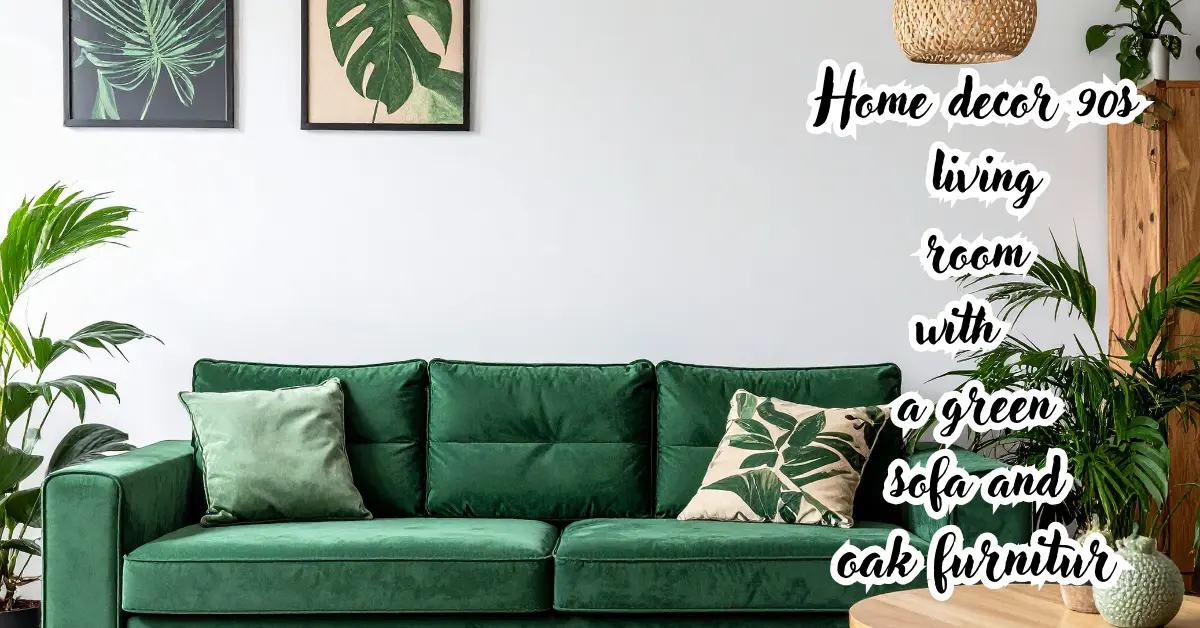
Home decor 90s style is returning with warm colors, playful patterns, comfortable furniture, natural wood, and personality-filled accessories. Instead of recreating an outdated room exactly, today’s approach combines recognizable 1990s design elements with cleaner layouts and modern conveniences.
The decade offered more than inflatable chairs and glow-in-the-dark stars. American homes embraced several distinct looks, including cozy country kitchens, Southwestern patterns, minimalist lofts, floral bedrooms, Mediterranean-inspired dining rooms, and entertainment-focused family spaces.
This guide explains the most memorable 90s home decor trends, how to use them tastefully, which colors and materials work best, and how to avoid making your home feel like a dated movie set. You will also find practical room-by-room ideas, affordable DIY projects, shopping tips, and answers to common questions.
What Is Home Decor 90s?
90s home decor refers to the furniture, colors, materials, patterns, and decorating styles that became popular during the 1990s. It often combined comfort and practicality with influences from country, Southwestern, minimalist, grunge, and pop culture aesthetics.
There was no single universal 1990s interior style. Homes varied according to region, budget, age group, and personal taste. However, several recognizable features appeared repeatedly:
- Warm beige, cream, burgundy, forest green, and navy
- Floral prints, plaid fabrics, and celestial motifs
- Honey oak cabinets and pine furniture
- Large, comfortable sofas and overstuffed chairs
- Brass, chrome, glass, and wicker accents
- Wall-to-wall carpeting
- Entertainment centers and media cabinets
- Decorative borders and wallpaper
- Artificial plants, dried flowers, and potpourri
- CD towers, lava lamps, and novelty accessories
Modern interpretations usually select a few of these characteristics rather than combining all of them in one space. This creates nostalgia without sacrificing comfort, visual balance, or resale appeal.
Why Is Home Decor 90s Popular Again?
Home decor 90s trends are popular again because they feel familiar, expressive, and less formal than many highly curated contemporary interiors. The style allows homeowners and renters to mix sentimental objects, thrifted furniture, bold colors, and practical everyday pieces.
Design trends also tend to return in cycles. People who grew up during the 1990s may now feel nostalgic for the homes, television shows, music, and technology of that period. Younger decorators are discovering the decade through vintage shopping, social media, movies, and archived design magazines.
The renewed interest also reflects a desire for homes with more character. After years of gray rooms, sparse styling, and nearly identical interiors, many people are welcoming color, pattern, texture, and personal collections again.
A successful revival focuses on the best qualities of the decade:
- Comfortable, usable rooms
- Warm and welcoming colors
- Furniture with visible personality
- Affordable secondhand finds
- Playful accessories
- Decorative items with sentimental meaning
The goal is not to abandon modern design. It is to add enough 1990s character to make a room feel warm, memorable, and individual.
The Most Recognizable Home Decor 90s Styles
Cozy Country Style
Country-style decorating was widely seen in American kitchens, dining rooms, and family spaces. It featured warm woods, checked fabrics, floral patterns, baskets, painted signs, and decorative objects displayed on open shelving.
Common elements included:
- Honey oak cabinets
- Pine dining tables
- Gingham or plaid fabric
- Rooster, apple, sunflower, or fruit motifs
- Ceramic canisters
- Decorative plates
- Wicker baskets
- Lace or ruffled curtains
For a modern version, use a natural wood table, simple checkered café curtains, and one or two vintage ceramic accessories. Avoid filling every shelf and wall with themed decorations.
Southwestern Style
Southwestern decor used earthy colors, geometric patterns, rustic wood, and desert-inspired objects. It was particularly well suited to homes in Arizona, New Mexico, Texas, and other parts of the American Southwest, but its influence reached homes across the country.
Typical features included:
- Terracotta, rust, turquoise, and sand
- Kilim-style or geometric rugs
- Sun, moon, cactus, and desert motifs
- Leather seating
- Rustic wood
- Woven wall decor
- Pottery and ceramic vessels
Today, a Southwestern-inspired rug, terracotta planter, or warm leather chair can provide a subtle 90s reference without turning the room into a theme.
Minimalist and Industrial Style
Not every 1990s home was heavily decorated. Urban apartments and loft-inspired interiors often used simple furniture, exposed materials, neutral colors, and metal accents.
Popular elements included:
- Black metal furniture
- Chrome lighting
- Glass dining tables
- White walls
- Modular storage
- Futons
- Exposed brick
- Track lighting
This side of 90s interior design works especially well in modern apartments. Add a chrome lamp, glass side table, or black-framed shelving unit while keeping the surrounding space uncluttered.
Memphis and Pop-Inspired Decor
Bold, youth-oriented interiors drew inspiration from geometric design, pop culture, music television, and colorful commercial graphics. This aesthetic was especially common in bedrooms, dorm rooms, game rooms, and creative spaces.
Recognizable details included:
- Bright primary and neon colors
- Squiggles and geometric shapes
- Color-blocked furniture
- Inflatable chairs
- Beanbags
- Lava lamps
- Plastic storage
- Graphic posters
Use this style in small doses. One bright chair, patterned cushion, colorful clock, or statement print can create the right energy without overwhelming the room.
Romantic Floral Style
Floral decor gave many 1990s bedrooms and living rooms a soft, traditional appearance. Roses, vines, and botanical prints appeared on bedding, curtains, sofas, wallpaper, and decorative borders.
A modern interpretation might include:
- Floral bed linen
- A pleated lampshade
- Soft cream walls
- One vintage brass mirror
- A small botanical print collection
- Dusty rose or sage accents
Limit the floral pattern to one or two main surfaces. Combining floral wallpaper, bedding, curtains, and upholstery can quickly make a room feel visually crowded.
Popular Home Decor 90s Colors
The most authentic 90s color palette depends on the particular style you want to recreate. Warm neutrals worked as foundations, while rich jewel tones, earthy shades, and occasional bright colors added personality.
| 90s color | Best modern use | Colors that pair well |
| Forest green | Accent wall, chair, or textiles | Cream, oak, brass |
| Burgundy | Rug, cushion, or artwork | Beige, navy, dark wood |
| Navy blue | Sofa, cabinetry, or bedding | White, tan, brass |
| Terracotta | Planters, tile, or accessories | Sand, turquoise, olive |
| Dusty rose | Bedding, curtains, or paint | Cream, sage, walnut |
| Honey oak | Furniture, shelves, or cabinetry | Warm white, green, navy |
| Purple | Decorative accents or bedroom textiles | Black, silver, pale gray |
| Teal | Lamps, art, or statement furniture | Cream, coral, natural wood |
| Beige | Walls, carpet, or upholstery | Nearly every 90s accent color |
For a balanced room, choose one main neutral, one dominant accent color, and one smaller supporting color. This prevents the palette from becoming busy.
Warm white is often a better wall color than bright white because it complements honey oak, pine, brass, terracotta, and traditional floral fabrics.
Essential Furniture for a 90s-Inspired Home
The right furniture establishes the decade more effectively than a room full of novelty accessories. Look for substantial shapes, practical storage, natural wood, metal, glass, and comfortable upholstery.
Overstuffed Sofas and Chairs
Large sofas with rounded arms were a defining feature of many 1990s living rooms. They prioritized comfort and often came in beige, green, blue, floral, or plaid upholstery.
You do not need to purchase an enormous vintage sofa. A modern couch with soft cushions, curved arms, and a deep seat can create a similar feeling. Add patterned pillows rather than committing to full floral upholstery.
Honey Oak and Pine Furniture
Honey-colored wood appeared in kitchen cabinets, dining sets, entertainment centers, bed frames, desks, and bookcases. Pine furniture was particularly common in casual bedrooms and family homes.
Authentic pieces are often available through estate sales, thrift stores, flea markets, and online resale platforms. Before buying, check for:
- Loose joints
- Water damage
- Strong odors
- Missing hardware
- Peeling veneer
- Signs of pests
- Dimensions that fit your room
Solid wood pieces can often be cleaned, repaired, or refinished. Veneered furniture requires more careful handling.
Glass and Metal Tables
Glass-top tables with chrome, brass, or black metal frames suit the minimalist side of 90s design. They can also keep a small room feeling open because their visual weight is relatively light.
Round glass dining tables work well in apartments, while compact glass side tables bring the look into a living room without dominating it.
Entertainment Centers
Large wooden entertainment centers once stored televisions, video players, stereo systems, CDs, and movies. Modern flat-screen televisions have made the original design less practical, but the concept can still be adapted.
Instead of installing an oversized cabinet, consider:
- A low wooden media console
- A vintage stereo cabinet
- Open shelving for records and books
- A compact CD or cassette display
- Closed storage for cables and devices
The updated version should support current technology while retaining the warm, media-focused character of a 90s family room.
Iconic Patterns and Textures
Patterns were an important part of 90s home decor. Floral prints, plaid, stripes, geometric shapes, and celestial graphics gave rooms a clear identity.
Floral Prints
Small roses create a romantic country look, while larger botanical designs feel more dramatic. Floral fabric works well on bedding, pillows, curtains, or a single accent chair.
Plaid and Gingham
Plaid offers warmth and structure. It is suitable for blankets, cushions, table linens, and upholstered benches. Navy, burgundy, forest green, and cream combinations feel especially representative of the decade.
Celestial Motifs
Sun, moon, and star designs appeared on bedding, wall hangings, candleholders, and decorative accessories. Celestial decor can still look stylish when used selectively.
Choose one well-designed sun mirror, star-patterned throw, or moon print. Too many themed pieces may make the room resemble a novelty store.
Natural and Tactile Materials
Texture helps prevent a nostalgic room from appearing flat. Useful materials include:
- Wicker
- Rattan
- Pine
- Oak
- Terracotta
- Chenille
- Velvet
- Denim
- Corduroy
- Brushed metal
- Colored glass
A room might combine a wooden table, woven basket, chenille throw, and glass lamp. This creates depth without relying on excessive decoration.
How to Create a Modern Home Decor 90s Look
The best modern approach is to use recognizable 1990s elements within a functional contemporary layout. Start with a simple room and introduce the decade through color, furniture, lighting, and personal accessories.
1. Choose Your Version of the 1990s
Decide whether you prefer cozy country, Southwestern, minimalist, romantic floral, grunge, or colorful pop decor. Mixing two compatible styles is possible, but using every 90s trend at once rarely produces a cohesive result.
For example, warm country and romantic floral elements work naturally together. Industrial furniture and colorful pop accessories can also create an interesting urban look.
2. Build a Controlled Color Palette
Select three or four colors before shopping. A sample palette might include:
- Warm cream for walls
- Forest green for upholstery
- Honey oak for furniture
- Burgundy for small accents
Keeping the palette controlled allows different vintage pieces to feel connected.
3. Add One Statement Furniture Piece
Choose an item that clearly communicates the style. This could be a pine dresser, glass coffee table, floral armchair, leather sofa, or chrome floor lamp.
Allow that piece to lead the room. Supporting items should complement it instead of competing for attention.
4. Layer in Textiles
Textiles offer a low-risk way to experiment. Add plaid cushions, a chenille blanket, café curtains, floral bedding, or a geometric area rug.
They are easier and less expensive to replace than furniture, flooring, or built-in cabinetry.
5. Include Personal Technology and Media
Technology was visually prominent in the 1990s. CDs, cassette tapes, game consoles, stereos, and desktop computers often became part of the room’s decor.
Display a small, meaningful collection rather than random electronics. A neatly arranged CD shelf or working vintage stereo can look intentional and start conversations.
6. Finish with Authentic Accessories
Add a few accessories associated with the period:
- Colored glass vase
- Ceramic lamp
- Brass candlesticks
- Framed music or movie poster
- Decorative storage box
- Wicker basket
- Analog clock
- Lava lamp
- Artificial trailing plant
Authenticity comes from the complete combination, not from covering every surface.
Room-by-RoomHome Decor 90s Ideas
Home Decor 90s Living Room Decor
A 90s-inspired living room should feel comfortable, social, and relaxed. Begin with a deep sofa or rounded armchair, then add warm wood and a recognizable textile pattern.
A balanced arrangement could include:
- Cream or forest green sofa
- Wooden media console
- Glass or pine coffee table
- Plaid cushions
- Brass or ceramic table lamp
- Framed film or music artwork
- Woven basket for blankets
Keep cords, controllers, and modern devices organized. Clutter is not necessary for an authentic look.
Home Decor 90s bed
Bedrooms offer more freedom for floral patterns, celestial motifs, posters, and playful lighting. Use bedding as the main visual feature and keep the rest of the room relatively simple.
For a soft 90s bedroom, combine dusty rose bedding, warm white walls, a pine nightstand, and a brass lamp. For a youthful look, use graphic posters, a colorful rug, a beanbag, and a small neon-style light.
Glow-in-the-dark stars can be fun, but removable decals are a better choice for renters and anyone who may change the design later.
Home Decor 90s kitchen
A 1990s kitchen often featured honey oak cabinets, laminate countertops, decorative borders, hanging baskets, and themed accessories. Modern kitchens can reference this look without recreating every detail.
Try these updates:
- Keep healthy oak cabinetry instead of automatically painting it
- Replace damaged hardware with simple brass or black pulls
- Add café curtains
- Display a few ceramic canisters
- Use a checkered runner
- Introduce warm white paint
- Add framed fruit or botanical art
If the room already has strong wood tones, limit additional brown accessories. Green, navy, cream, or terracotta can provide contrast.
Home Decor 90s bath
Popular bathroom themes included seashells, dolphins, florals, celestial graphics, and nautical colors. For a modern result, interpret the theme loosely.
A navy shower curtain, chrome accessories, and one framed coastal print can suggest a nautical 90s bathroom. A floral hand towel and pleated wall light can create a softer traditional effect.
Avoid carpeting in bathrooms. Although it appeared in some older homes, moisture-resistant flooring is safer and easier to maintain.
Home Decor 90s office
A 90s office can combine black metal, wood, modular storage, and vintage technology. Use a practical desk, supportive modern chair, and one nostalgic focal point.
Consider adding:
- Black task lamp
- Wooden or metal desk
- Corkboard
- Translucent storage accessories
- CD holder used for office supplies
- Vintage computer advertisement
- Working radio or compact stereo
Comfort and ergonomics should take priority over visual authenticity, especially if the office is used daily.
The charm of Home Decor 90s brings a nostalgic feel to modern spaces, while Home Decor 90s styles add warmth and personality. Many people love Home Decor 90s because its bold colors and classic patterns feel unique. From vintage furniture to playful accessories,
Home Decor 90s ideas can inspire beautiful rooms, and Home Decor 90s trends continue to influence designers. Choosing Home Decor 90s elements can create character, while Home Decor 90s colors make a space feel inviting. Whether you prefer subtle accents or a complete makeover, Home Decor 90s offers plenty of inspiration. Mixing Home Decor 90s pieces with modern furniture keeps the look fresh, and Home Decor 90s decor can easily suit different homes. Overall, Home Decor 90s remains a fun choice for anyone who enjoys nostalgic interior design.
Affordable DIY 90s Home Decor Projects
DIY projects can introduce 1990s style without requiring a major renovation.
Create a Geometric Painted Canvas
Paint a simple canvas with colorful circles, squiggles, triangles, and lines. Use teal, purple, yellow, black, and coral for a pop-inspired appearance.
Plan the arrangement on paper first. Limiting the design to three or four colors will make it easier to coordinate with the room.
Update a Thrifted Wooden Shelf
Clean a pine or oak shelf and assess its condition. Preserve the natural finish if possible, or use a compatible stain to refresh worn areas.
Style it with books, CDs, a ceramic object, and a trailing plant. Leave some open space so the display appears curated.
Make Plaid Cushion Covers
Plaid fabric can immediately add 90s warmth. Envelope-style cushion covers are relatively simple because they do not require zippers.
Choose washable fabric and prewash it before cutting. Align the pattern at visible seams for a more professional result.
The charm of Home Decor 90s brings a nostalgic feel to modern spaces, while Home Decor 90s styles add warmth and personality. Many people love Home Decor 90s because its bold colors and classic patterns feel unique. From vintage furniture to playful accessories,
Home Decor 90s ideas can inspire beautiful rooms, and Home Decor 90s trends continue to influence designers. Choosing Home Decor 90s elements can create character, while Home Decor 90s colors make a space feel inviting. Whether you prefer subtle accents or a complete makeover, Home Decor 90s offers plenty of inspiration. Mixing Home Decor 90s pieces with modern furniture keeps the look fresh, and Home Decor 90s decor can easily suit different homes. Overall, Home Decor 90s remains a fun choice for anyone who enjoys nostalgic interior design.
Frame Nostalgic Media
Old magazines, album covers, postcards, advertisements, and personal photographs can become inexpensive wall art. Use copies when the original item is valuable or delicate.
Matching frames make a varied collection feel organized. Check copyright and usage restrictions if you intend to reproduce or sell artwork rather than display it privately.
Create a Celestial Accent Wall
Use removable sun, moon, and star decals on one small wall or reading corner. Combine them with navy paint, warm lighting, and a brass-toned mirror.
Avoid placing tiny decals across the entire ceiling unless you deliberately want a childlike, fully themed appearance.
How to Shop for Authentic 90s Decor
The best sources are often secondhand because genuine 1990s furniture and accessories were made in a wide range of styles and price levels.
Look at:
- Local thrift stores
- Estate sales
- Flea markets
- Architectural salvage shops
- Online local marketplaces
- Vintage furniture stores
- Family storage areas, with permission
- Community yard sales
Search using specific descriptions such as “1990s pine nightstand,” “postmodern glass table,” “vintage floral lamp,” or “chrome floor lamp.” Searching only for “90s decor” may produce overpriced novelty products rather than authentic pieces.
Before purchasing upholstered furniture, inspect it carefully. Look underneath cushions, examine seams, and ask about smoke, pets, stains, and storage conditions. Some vintage sofas are difficult or expensive to clean.
For electrical items, examine the cord, plug, socket, and visible wiring. Older lamps may require professional rewiring before regular use. Never assume that a vintage electrical product is safe merely because it turns on.
Benefits and Limitations of 90s Interior Design
Understanding the strengths and weaknesses of the style helps you make better decorating decisions.
Benefits
- It creates a warm, familiar atmosphere.
- Secondhand pieces may be more affordable than new designer furniture.
- The style encourages personality and individual collections.
- Solid wood furniture may be repairable and long-lasting.
- Numerous substyles make the trend flexible.
- Existing oak, brass, or traditional features can become intentional assets.
Limitations
- Too many themed accessories can feel cluttered.
- Oversized furniture may not fit smaller modern rooms.
- Vintage upholstery can be difficult to clean.
- Old electrical products may need safety upgrades.
- Some colors and patterns can make dark rooms feel smaller.
- Exact replicas may look dated instead of thoughtfully nostalgic.
The solution is selective decorating. Preserve the decade’s comfort, warmth, and playfulness while improving lighting, organization, safety, and functionality.
The charm of Home Decor 90s brings a nostalgic feel to modern spaces, while Home Decor 90s styles add warmth and personality. Many people love Home Decor 90s because its bold colors and classic patterns feel unique. From vintage furniture to playful accessories,
Home Decor 90s ideas can inspire beautiful rooms, and Home Decor 90s trends continue to influence designers. Choosing Home Decor 90s elements can create character, while Home Decor 90s colors make a space feel inviting. Whether you prefer subtle accents or a complete makeover, Home Decor 90s offers plenty of inspiration. Mixing Home Decor 90s pieces with modern furniture keeps the look fresh, and Home Decor 90s decor can easily suit different homes. Overall, Home Decor 90s remains a fun choice for anyone who enjoys nostalgic interior design.
Common 90s Decorating Mistakes to Avoid
Using Every Trend in One Room
A floral sofa, plaid curtains, celestial wall art, lava lamp, Southwestern rug, and chrome table will probably compete rather than cooperate. Select one primary style and a small number of supporting details.
Ignoring Scale
Overstuffed seating and large entertainment units were designed for relatively spacious rooms. Measure doorways, walking paths, and wall space before buying.
Confusing Nostalgia with Clutter
Personal objects are valuable, but they need structure. Group collections by color, type, or theme, and leave empty space between displays.
Buying Unsafe Vintage Items
Inspect furniture, lighting, and electronics before use. Be cautious with damaged cords, unstable tables, deteriorating foam, strong odors, mold, and peeling finishes.
Making Permanent Changes Too Quickly
Test the style through textiles, removable wallpaper, art, and secondhand accessories before installing permanent flooring, countertops, or cabinetry.
Removing Original Wood Automatically
Honey oak is closely associated with the decade, but it can look attractive when cleaned and paired with updated colors. Painting it should be a considered design choice, not an automatic reaction.
How to Make 90s Decor Look Expensive
A polished 90s-inspired interior depends more on editing and condition than on price. Clean, repair, and thoughtfully position each item.
Use these practical strategies:
- Repeat key colors in at least two or three places.
- Mix vintage pieces with clean modern furniture.
- Replace worn lampshades and damaged hardware.
- Use warm, layered lighting instead of one harsh ceiling fixture.
- Choose substantial curtains that reach an intentional length.
- Frame posters instead of attaching them directly to walls.
- Group small accessories on trays or shelves.
- Keep upholstered items clean and free from odors.
- Leave open space around statement furniture.
- Select real materials when practical, including wood, glass, metal, and ceramic.
One excellent vintage lamp will usually have more impact than several low-quality novelty decorations.
Bring back the charm of Home Decor 90s with nostalgic colors, floral patterns, cozy textures, wooden furniture, and playful accessories that can give modern spaces a unique retro feel.
For more inspiration on classic 1990s interiors, explore 90s home decor ideas and discover ways to blend vintage-inspired elements with modern decorating styles.
Frequently Asked Questions
What decor was popular in the 1990s?
Popular 1990s decor included honey oak furniture, overstuffed sofas, floral fabrics, plaid textiles, Southwestern patterns, brass accents, glass tables, wallpaper borders, entertainment centers, wicker baskets, and artificial plants. Youth-oriented rooms also featured lava lamps, beanbags, bright geometric patterns, posters, translucent plastic, and celestial sun-and-moon accessories.
How can I add 90s decor without making my home look dated?
Choose two or three recognizable elements and combine them with a clean modern foundation. For example, pair a pine cabinet and plaid cushions with warm white walls and simple lighting. Keep the layout uncluttered, update unsafe electrical items, and avoid using several unrelated 90s themes in the same room.
What colors are best for a 90s-inspired room?
Forest green, burgundy, navy, terracotta, dusty rose, teal, cream, beige, and honey oak are strong choices. Start with a warm neutral and introduce one dominant accent color plus a smaller supporting shade. Bright purple, coral, yellow, or turquoise work well when you want a playful pop-inspired look.
Where can I find authentic 1990s furniture and accessories?
Search thrift stores, estate sales, flea markets, vintage shops, yard sales, and local online resale listings. Use specific search terms based on material and object type. Carefully check dimensions, odors, joints, upholstery, electrical cords, water damage, and missing parts before purchasing any secondhand item.
Is 90s home decor suitable for a small apartment?
Yes. Focus on compact accessories and visually light furniture rather than oversized sofas or entertainment centers. A chrome lamp, glass side table, plaid throw, framed poster, or small pine shelf can create the look without consuming valuable space. Removable decals and cushion covers are also practical for renters.
Conclusion
Home decor 90s style is defined by comfort, warmth, expressive patterns, practical furniture, and memorable personal details. Its many variations range from cozy country and romantic floral interiors to Southwestern rooms, industrial lofts, and colorful pop-inspired bedrooms.
To introduce the style successfully, choose one version of the decade, establish a controlled color palette, and begin with a single statement piece. Add textiles, lighting, media, and accessories gradually. Combine authentic vintage finds with modern organization, safety, and functionality.
Your best next step is to select one room and identify the 1990s feature it already contains. An oak cabinet, brass lamp, floral fabric, or glass table may be the ideal starting point for a nostalgic home that still feels comfortable and current.
