

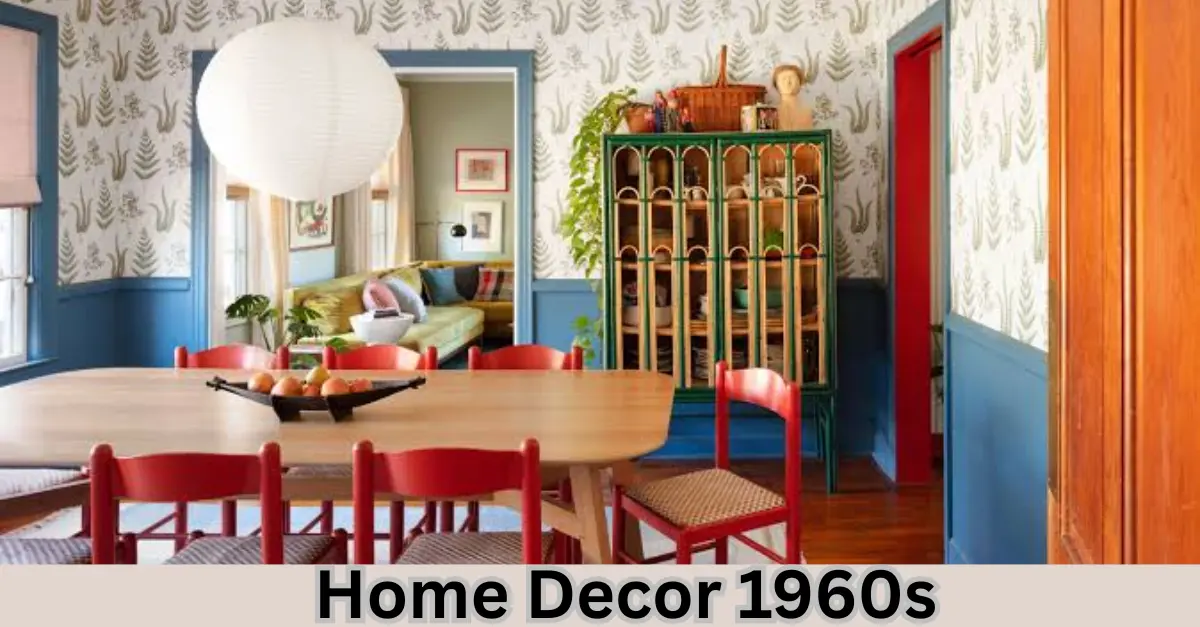
introduction
Home decor 1960s is known for bold colors, geometric patterns, organic shapes, playful furniture, and a mix of modern and traditional influences. The decade changed the way American homes looked and introduced decorative ideas that still inspire interior designers today.
From walnut furniture and molded plastic chairs to orange kitchens and colorful geometric wallpaper, 1960s interiors were expressive without following one single style. Some homes leaned toward sophisticated mid-century modern design, while others embraced the colorful, futuristic, and eclectic side of the decade.
This guide explains the defining features of home decor 1960s, including colors, furniture, materials, patterns, lighting, room-by-room ideas, decorating tips, common mistakes, and simple ways to recreate the look in a modern American home.
What Is 1960s Home Decor?
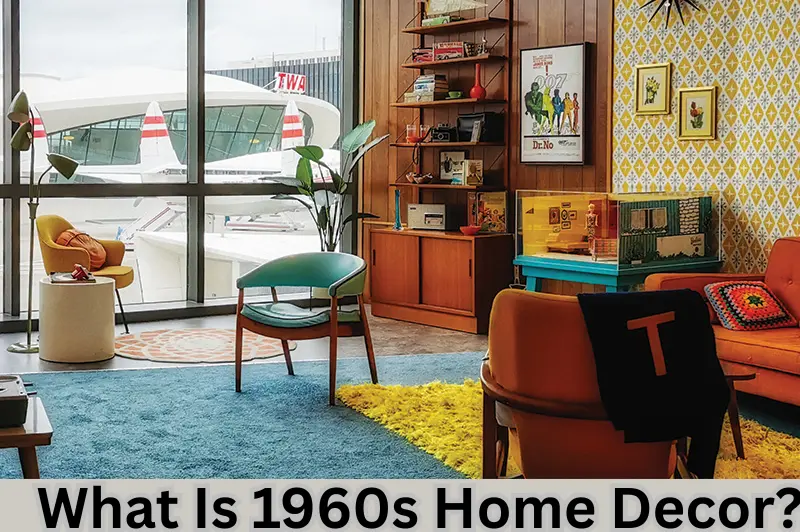
1960s home decor refers to the interior design styles popular during the 1960s, particularly the combination of mid-century modern design, bold colors, geometric patterns, natural materials, and emerging modern materials.
The decade was a period of significant cultural and technological change, and those influences appeared inside American homes. Interiors became more experimental, colorful, and informal.
home decor 1960s brings bold colors, geometric patterns, and stylish furniture into modern interiors. Many homeowners explore home decor 1960s ideas to create a warm and distinctive retro atmosphere. With home decor 1960s, you can combine natural wood, sculptural lighting, and colorful accents. Choosing the right home decor 1960s elements can make a living room, bedroom, or dining area feel unique. Modern home decor 1960s designs can also blend vintage character with practical contemporary furniture, making home decor 1960s a flexible choice for stylish homes. Overall, home decor 1960s offers plenty of inspiration for creating a comfortable and memorable interior.
A typical 1960s-inspired room might include:
- Low-profile furniture
- Wood cabinets or paneling
- Geometric rugs
- Bright accent colors
- Sculptural lighting
- Patterned wallpaper
- Plastic or fiberglass furniture
- Chrome and metal details
- Open or flexible living spaces
- Decorative objects with futuristic shapes
However, not every 1960s home looked colorful or futuristic. Many interiors remained relatively restrained, using wood furniture, neutral walls, simple upholstery, and mid-century modern forms.
Key Characteristics of Home Decor 1960s Style
The easiest way to recognize this style is to look at its combination of form, color, material, and pattern.
home decor 1960s brings bold colors, geometric patterns, and stylish furniture into modern interiors. Many homeowners explore home decor 1960s ideas to create a warm and distinctive retro atmosphere. With home decor 1960s, you can combine natural wood, sculptural lighting, and colorful accents. Choosing the right home decor 1960s elements can make a living room, bedroom, or dining area feel unique. Modern home decor 1960s designs can also blend vintage character with practical contemporary furniture, making home decor 1960s a flexible choice for stylish homes. Overall, home decor 1960s offers plenty of inspiration for creating a comfortable and memorable interior.
Bold and Earthy Colors
Color played an important role in 1960s interiors. Popular palettes included both strong bright shades and warmer natural tones.
Common colors included:
- Burnt orange
- Mustard yellow
- Avocado green
- Olive green
- Brown
- Warm beige
- Turquoise
- Deep blue
- Red
- Cream
- Black and white
These colors were often combined rather than used individually. For example, a room might pair warm wood furniture with mustard upholstery and an orange or green accent.
For a modern home, you do not need to use several intense colors at once. One or two carefully selected retro colors can create the atmosphere without making the room feel dated.
home decor 1960s brings bold colors, geometric patterns, and stylish furniture into modern interiors. Many homeowners explore home decor 1960s ideas to create a warm and distinctive retro atmosphere. With home decor 1960s, you can combine natural wood, sculptural lighting, and colorful accents. Choosing the right home decor 1960s elements can make a living room, bedroom, or dining area feel unique. Modern home decor 1960s designs can also blend vintage character with practical contemporary furniture, making home decor 1960s a flexible choice for stylish homes. Overall, home decor 1960s offers plenty of inspiration for creating a comfortable and memorable interior.
Geometric Patterns
Geometric patterns were another major feature of 1960s decoration.
Designers used:
- Circles
- Squares
- Diamonds
- Stripes
- Repeating lines
- Abstract shapes
- Optical-style patterns
These patterns appeared on wallpaper, curtains, rugs, upholstery, cushions, and artwork.
A simple geometric rug can provide a strong 1960s reference without requiring a complete room makeover.
home decor 1960s brings bold colors, geometric patterns, and stylish furniture into modern interiors. Many homeowners explore home decor 1960s ideas to create a warm and distinctive retro atmosphere. With home decor 1960s, you can combine natural wood, sculptural lighting, and colorful accents. Choosing the right home decor 1960s elements can make a living room, bedroom, or dining area feel unique. Modern home decor 1960s designs can also blend vintage character with practical contemporary furniture, making home decor 1960s a flexible choice for stylish homes. Overall, home decor 1960s offers plenty of inspiration for creating a comfortable and memorable interior.
Organic Shapes
The 1960s also moved away from strictly straight furniture designs.
Rounded chairs, curved sofas, circular tables, and sculptural accessories became popular expressions of modern design.
This creates an interesting contrast: a room can contain both geometric patterns and soft, rounded furniture.
1960s Furniture Styles
Furniture from the 1960s often combined practical construction with simple silhouettes, natural wood, molded materials, and experimental shapes.
Mid-century modern furniture remained influential, while newer materials and more expressive designs expanded the possibilities.
Wood Furniture
Wood remained an important material in American interiors.
Walnut, teak, and other warm wood finishes worked particularly well with the decade’s color palettes. Sideboards, credenzas, coffee tables, dining sets, and storage furniture often featured clean lines and tapered or simple legs.
For a modern interpretation, look for:
- Low-profile cabinets
- Simple wooden coffee tables
- Slim-legged furniture
- Minimal drawer fronts
- Warm wood finishes
You do not need every item in a room to be vintage. One authentic-looking wooden piece can establish the foundation.
Sculptural Seating
Chairs and sofas became more expressive during this period.
Rounded lounge chairs, bucket-style seating, molded chairs, and low sofas can all contribute to a 1960s-inspired interior.
When selecting furniture today, prioritize comfort and proportion. A piece can have a retro appearance while still meeting modern expectations for everyday use.
Plastic, Fiberglass, and Molded Materials
New materials gave designers more freedom to experiment with furniture forms.
Molded plastic and fiberglass could be shaped into smooth, curved designs that were difficult to achieve with traditional furniture-making methods.
These materials helped create the futuristic appearance associated with some 1960s interiors.
1960s Home Decor Materials
Material selection is just as important as color when recreating the period.
Wood
Warm wood creates a natural foundation and prevents colorful rooms from feeling overwhelming.
Use wood for:
- Cabinets
- Sideboards
- Coffee tables
- Dining furniture
- Wall accents
- Shelving
Chrome and Metal
Chrome and polished metal details add a more futuristic character.
Try metal in:
- Table legs
- Lighting
- Chair frames
- Decorative objects
- Hardware
A small amount can be enough to establish the look.
Glass
Glass coffee tables, lamps, decorative objects, and cabinet details can provide visual lightness.
Plastic and Acrylic
These materials work particularly well when you want a more playful or space-age interpretation of the 1960s.
Use them selectively because too many synthetic surfaces can make a room feel more like a themed set than a comfortable home.
1960s Wallpaper and Wall Decor
Wallpaper was an effective way to introduce the bold personality associated with 1960s interiors.
Patterns could range from subtle repeating shapes to dramatic psychedelic-inspired designs.
For a modern home, consider using patterned wallpaper on one feature wall rather than covering every surface.
Good locations include:
- Dining rooms
- Powder rooms
- Entryways
- Home offices
- Bedroom accent walls
If wallpaper feels too permanent, framed vintage-style prints can provide a similar visual effect.
Wall Paneling
Wood paneling can also contribute to the period aesthetic.
Instead of covering an entire room with dark paneling, modern homeowners can use a smaller wood accent wall or warm wood cabinetry.
This preserves the character of the era while keeping the room brighter and more contemporary.
1960s Lighting Ideas
Lighting can dramatically change the atmosphere of a retro-inspired room.
The best 1960s lighting choices combine practical illumination with sculptural shapes.
Look for:
- Globe pendant lights
- Dome-shaped lamps
- Sputnik-inspired fixtures
- Arc floor lamps
- Sculptural table lamps
- Chrome fixtures
- Colored glass shades
A statement pendant over a dining table can become the focal point of the room.
For everyday living, combine decorative lighting with practical ambient and task lighting. A room should look authentic without becoming difficult to use.
1960s Living Room Decor Ideas
The living room is one of the easiest spaces to decorate with a 1960s influence.
Start with a simple foundation:
- Choose a warm neutral wall color.
- Add a low-profile sofa.
- Introduce one or two wooden furniture pieces.
- Add a geometric rug.
- Choose a sculptural lamp.
- Finish with colorful cushions or artwork.
For example, a cream sofa can be paired with a walnut coffee table, mustard cushions, a geometric rug, and a rounded floor lamp.
This creates a recognizable retro feeling without making the room look like a museum display.
1960s Kitchen Decor Ideas
1960s kitchen design often used colorful cabinetry, patterned surfaces, practical layouts, and decorative appliances or accessories.
A period-inspired kitchen might feature:
- Avocado or olive green
- Mustard yellow
- Warm wood
- Colorful tile
- Patterned flooring
- Chrome hardware
- Vintage-style appliances
You do not need to replace a modern kitchen to achieve this look.
Instead, consider adding retro-inspired bar stools, colorful appliances, patterned curtains, vintage artwork, or a geometric backsplash.
Modernizing a 1960s Kitchen
A successful modern-retro kitchen combines historical inspiration with current functionality.
Keep modern:
- Appliances
- Plumbing
- Lighting controls
- Storage systems
- Countertop functionality
Add retro character through:
- Color
- Hardware
- Furniture
- Tile
- Artwork
- Accessories
This approach gives you the appearance of the era without sacrificing convenience.
1960s Bedroom Decor Ideas
Bedrooms can use a softer interpretation of the style.
Try warm neutrals with one or two characteristic colors such as olive green, orange, mustard, or turquoise.
Useful additions include:
- Low-profile wooden nightstands
- Patterned bedding
- Geometric artwork
- Rounded lamps
- Simple wooden headboards
- Retro-inspired curtains
Avoid filling the room with too many patterns. Bedrooms generally benefit from a calmer visual balance.
1960s Dining Room Decor
The dining room is ideal for combining wood, curves, and statement lighting.
A simple arrangement might include a round or oval wooden dining table, streamlined chairs, a sculptural pendant, and a colorful piece of wall art.
If you want a stronger retro effect, add a patterned rug or wallpaper.
The key is proportion. A dramatic light fixture can provide the visual impact while the rest of the furniture remains relatively simple.
How to Create 1960s Home Decor in a Modern House
You can recreate the 1960s aesthetic without turning your home into a completely vintage interior. The most effective approach is to combine a few authentic period-inspired elements with contemporary basics.
Step 1: Choose Your 1960s Direction
Decide whether you prefer:
- Mid-century modern
- Colorful retro
- Space-age modern
- Eclectic 1960s
- Subtle vintage
This decision prevents the room from becoming visually confused.
Step 2: Select a Limited Color Palette
Choose two or three main colors.
For example:
Warm modern retro: cream + walnut + burnt orange
Natural retro: beige + olive + wood
Bold retro: turquoise + mustard + brown
A controlled palette makes the design easier to balance.
Step 3: Add One Statement Piece
Choose one dominant item, such as:
- A retro lounge chair
- A geometric rug
- A sculptural lamp
- A vintage sideboard
- Patterned wallpaper
Build the rest of the room around that piece.
Step 4: Mix Old and New
A completely vintage room can be difficult to maintain and may not suit modern lifestyles.
Instead, combine vintage-inspired furniture with contemporary sofas, updated lighting, modern appliances, and practical storage.
Step 5: Finish With Accessories
Small details can strengthen the theme.
Consider:
- Vintage-style clocks
- Ceramic objects
- Abstract artwork
- Decorative glass
- Retro cushions
- Sculptural vases
- Patterned curtains
Accessories should support the design rather than dominate it.
Benefits of 1960s-Inspired Interior Design
Strong Visual Personality
1960s-inspired rooms tend to have a recognizable character. Bold color, distinctive furniture, and geometric patterns make the space feel intentional.
Flexible Styling
The style can be subtle or dramatic. You can use a single retro chair or design an entire room around the period.
Works With Modern Interiors
Warm wood, simple furniture, sculptural lighting, and carefully selected colors can blend naturally with contemporary homes.
Great for Statement Pieces
You do not need dozens of vintage objects. A single unusual lamp, chair, rug, or cabinet can become the focal point.
Limitations and Challenges
A 1960s-inspired interior also has some potential drawbacks.
Strong colors and patterns can become visually overwhelming if used without balance.
Authentic vintage furniture may also require additional care, and condition can vary significantly from one piece to another.
Older electrical fixtures, furniture, finishes, and building materials may require professional inspection or updating before everyday use.
When buying vintage pieces, focus on condition, construction quality, dimensions, and safety rather than choosing an item solely because it looks old.
Common 1960s Decor Mistakes
Using Too Many Colors
A room filled with orange, green, yellow, blue, red, and multiple patterns can quickly lose visual structure.
Choose a limited palette instead.
Making Everything Match
A home can look more authentic when different pieces complement rather than perfectly match each other.
Mix wood tones carefully and combine vintage-inspired items with modern basics.
Overusing Psychedelic Patterns
Psychedelic graphics are associated with the late 1960s, but they should not be treated as the definition of the entire decade.
Use dramatic patterns as accents unless you intentionally want a highly theatrical interior.
Ignoring Comfort
A beautiful retro chair is not necessarily a comfortable everyday chair.
For furniture you use frequently, evaluate support, dimensions, materials, and overall condition.
Creating a Theme Instead of a Home
The goal should be an attractive living space inspired by the 1960s, not a room that looks like a movie prop.
Balance historical details with your own lifestyle and taste.
Is 1960s Decor Still Suitable for Modern Homes?
Yes. 1960s-inspired decor can work very well in modern homes when the historical elements are used selectively.
The strongest approach is usually to borrow the decade’s design language rather than copy an entire period room.
For example, a modern living room could retain its contemporary sofa and flooring while adding a walnut sideboard, geometric rug, sculptural lamp, and burnt-orange accessories.
This gives the room a retro identity without compromising modern functionality.
home decor ideasSmithsonian InstitutionSmithsonian InstitutionFrequently Asked Questions
What colors were popular in 1960s home decor?
Popular 1960s interiors used a wide range of colors, including burnt orange, mustard yellow, avocado and olive green, turquoise, brown, beige, red, and cream. Color combinations varied considerably depending on the design style. Some homes were colorful and playful, while others used restrained wood tones and neutral colors associated with mid-century modern interiors.
What furniture was popular in the 1960s?
1960s furniture included low-profile sofas, lounge chairs, wooden sideboards, simple dining tables, molded plastic seating, fiberglass designs, and sculptural pieces. Warm woods such as walnut and teak were widely associated with mid-century furniture. Rounded forms and experimental materials also became increasingly visible during the decade.
How can I make my house look 1960s without remodeling?
Start with furniture and accessories rather than structural changes. Add a geometric rug, warm wood furniture, a sculptural lamp, retro artwork, and one or two characteristic colors. Wallpaper can also create a strong effect, but a feature wall is often easier to manage than covering an entire room.
Is 1960s decor the same as mid-century modern?
Not exactly. Mid-century modern was an important design influence during the 1960s, but 1960s interiors were broader than one design movement. The decade also included colorful retro interiors, experimental materials, space-age designs, eclectic decorating, and more expressive patterns. Therefore, 1960s decor can include mid-century modern without being limited to it.
How do I make 1960s decor look modern?
Use the 1960s as inspiration rather than copying every historical detail. Keep the room’s basic furniture and layout practical, then introduce retro elements through color, lighting, artwork, rugs, and wood furniture. Limiting strong patterns and selecting a controlled color palette can help the result feel contemporary while retaining its vintage character.
Conclusion
Home decor 1960s offers a wide design vocabulary, from warm walnut furniture and clean mid-century lines to bold colors, geometric patterns, sculptural lighting, and futuristic materials.
The best way to use this style today is not to reproduce an entire historical room. Instead, select the elements that fit your home and combine them with modern comfort and functionality.
Start with one defining feature, such as a walnut sideboard, geometric rug, retro light fixture, or bold accent color. Then build the rest of the room around it using a restrained palette and practical contemporary pieces.
This approach allows you to capture the personality of 1960s American interiors while creating a home that still feels comfortable, functional, and personal.
