

introoduction
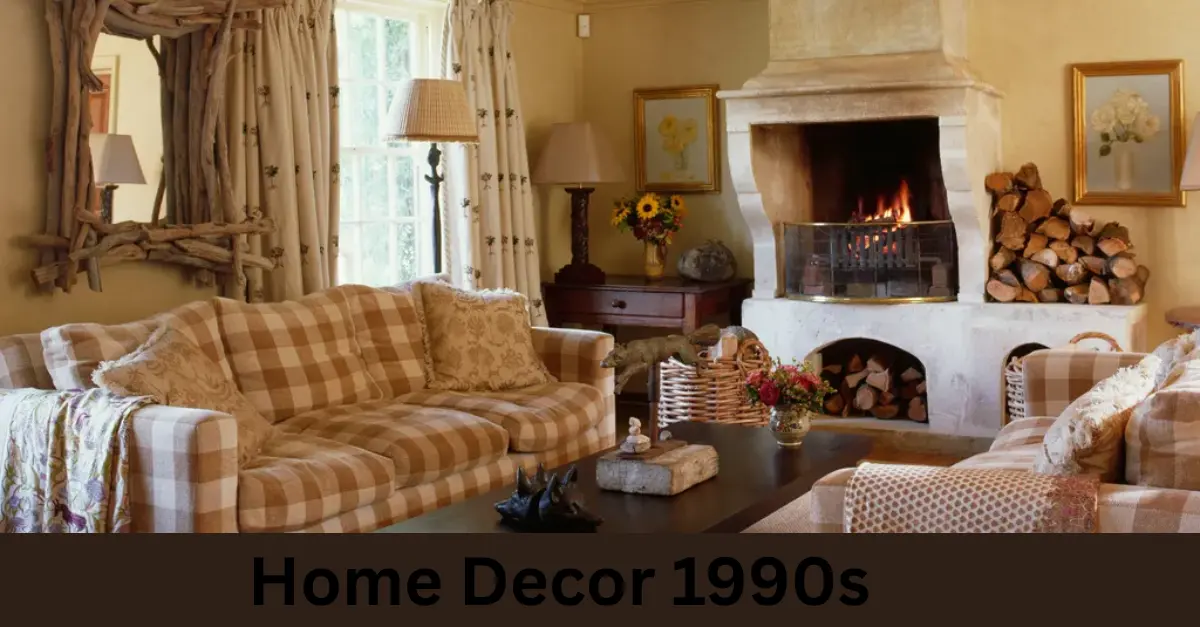
home decor 1990s is all about comfort, personality, warm colors, natural materials, and a relaxed approach to interior design. From oversized sofas and oak furniture to floral prints, glass tables, plaid patterns, and earthy color palettes, 1990s interiors had a distinctive look that is becoming popular again.
This guide explores what defined home decor 1990s style, the most recognizable colors and materials, popular furniture choices, room-by-room decorating ideas, and practical ways to recreate the look without making your home feel outdated. Whether you want a fully nostalgic 90s interior or simply a few vintage-inspired touches, these ideas can help you create a balanced and comfortable space.
What Was Home Decor Like in the 1990s?
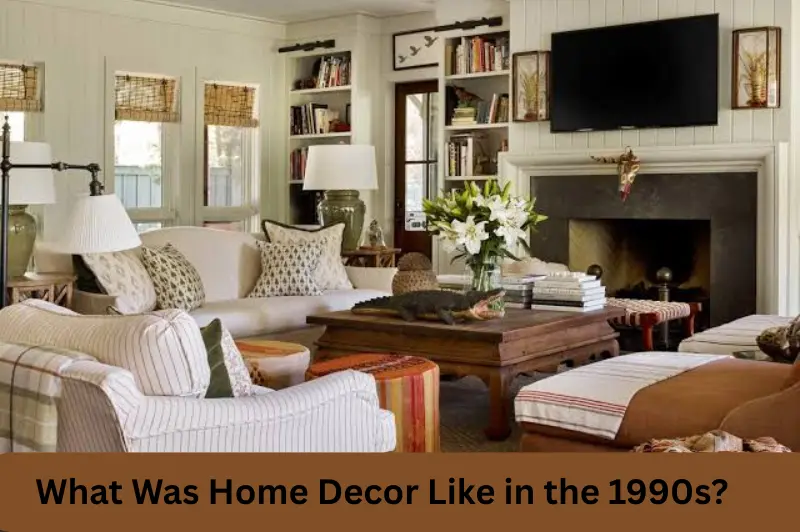
Home decor in the 1990s was generally warm, comfortable, practical, and less minimal than many modern interiors. American homes often combined traditional furniture with casual fabrics, natural wood, decorative accessories, and softer color schemes.
The decade included several different design influences rather than one single style. Early-90s interiors could feel traditional and formal, while later rooms often introduced cleaner lines, lighter colors, and more casual furniture.
Common characteristics included:
- Oak and other wood furniture
- Floral and botanical patterns
- Plaid and checked fabrics
- Beige, cream, taupe, and brown tones
- Burgundy, forest green, and navy accents
- Oversized upholstered sofas
- Brass and wooden details
- Glass-top coffee tables
- Ceramic lamps and decorative objects
- Wicker and rattan accessories
- Patterned curtains
- Coordinated furniture and textiles
The result was usually a room that felt lived-in rather than highly staged.
Key Elements of Home Decor 1990s Style
Warm and Earthy Colors
Color was an important part of 1990s interiors. Instead of relying heavily on stark white and cool gray, many rooms used warm neutrals and deeper accent colors.
Popular shades included:
- Beige
- Cream
- Tan
- Taupe
- Chocolate brown
- Terracotta
- Burgundy
- Forest green
- Dusty blue
- Navy
- Mauve
You do not need to use all these colors together. A modern interpretation can start with a neutral base and introduce one or two classic 90s shades through cushions, curtains, rugs, artwork, or accent furniture.
For example, a cream sofa paired with a dark wood coffee table, forest-green cushions, and a traditional patterned rug can create a recognizable 90s-inspired atmosphere without looking like a themed room.
Natural Wood Furniture
Wood was one of the defining materials of the decade.
Oak entertainment centers, wooden dining tables, sideboards, bookshelves, and bedroom furniture were common choices. The preference for visible wood grain helped rooms feel warm and substantial.
For a modern home, consider:
- An oak console
- A wooden coffee table
- A vintage-style sideboard
- A wood-framed mirror
- A traditional dining table
- Wooden bedside tables
The key is balance. Too much matching wood can make a room feel visually heavy, while a few substantial wooden pieces can create warmth and character.
Floral and Botanical Patterns
Floral prints were especially recognizable in 1990s decorating. They appeared on curtains, sofas, bedding, wallpaper, cushions, and upholstered chairs.
Today, the easiest way to use this idea is through smaller decorative pieces.
Try:
- A floral accent chair
- Botanical curtains
- A patterned throw pillow
- Vintage-inspired wallpaper
- A floral area rug
- Framed botanical artwork
If the pattern is busy, keep surrounding furniture relatively simple.
1990s Living Room Decor
A 1990s-inspired living room should feel comfortable, warm, and inviting rather than perfectly minimal. Start with substantial seating, wood accents, layered textiles, and traditional decorative details.
Choose Comfortable Seating
Oversized sofas and generously upholstered chairs were strongly associated with the comfortable side of 90s decorating.
Look for furniture with:
- Soft upholstery
- Rounded or traditional shapes
- Deep seating
- Neutral or muted colors
- Substantial proportions
A beige, cream, taupe, or muted floral sofa can establish the overall direction.
If buying new furniture, you do not necessarily need an actual vintage piece. A contemporary sofa with a traditional silhouette can achieve a similar effect while offering modern comfort and construction.
Add a Traditional Coffee Table
Wooden and glass-top coffee tables work particularly well for this aesthetic.
A rectangular wooden table creates a classic appearance, while a glass-top table can make the room feel lighter.
Decorate the table with a small stack of books, a ceramic bowl, or a simple decorative object rather than filling every surface.
Layer the Room With Textiles
The 1990s look works especially well when different textures are combined.
Consider:
- Patterned area rugs
- Fabric curtains
- Decorative cushions
- Knitted throws
- Upholstered ottomans
- Textured lampshades
The objective is comfort and visual depth rather than perfect coordination.
1990s Bedroom Decor
A 1990s bedroom should feel cozy, personal, and relaxed. Warm bedding, wooden furniture, traditional lamps, and soft patterns can recreate the atmosphere without requiring a complete renovation.
Use Warm Bedding
Floral comforters, plaid blankets, quilted bedspreads, and layered bedding can all contribute to a 90s-inspired bedroom.
For a more contemporary version, choose one nostalgic pattern and combine it with solid-colored bedding.
For example:
Cream bedding + floral throw + oak nightstand + traditional lamp
This creates the feeling of the decade without overwhelming the room.
Choose Wooden Bedroom Furniture
Oak or medium-toned wood furniture is particularly effective.
A simple combination might include:
- Wooden bed frame
- Matching or mismatched nightstand
- Wooden dresser
- Framed mirror
- Traditional table lamp
Do not worry about every piece matching exactly. Mixing vintage-inspired pieces can make the room feel more authentic and collected.
Add Soft Lighting
Lighting can dramatically change the character of a bedroom.
Instead of relying only on bright overhead lighting, use:
- Table lamps
- Floor lamps
- Warm-toned bulbs
- Fabric lampshades
- Decorative bedside lighting
Soft lighting works particularly well with the warm colors associated with 1990s interiors.
1990s Kitchen Decor
A 1990s-inspired kitchen usually benefits from warm wood, practical surfaces, traditional accessories, and simple decorative details.
Oak cabinetry is one of the easiest visual references to the decade. If your home already has wood cabinets, you may not need to replace them to achieve the look.
Instead, consider updating smaller details.
Add 90s-Inspired Accessories
Try incorporating:
- Ceramic canisters
- Wooden cutting boards
- Patterned kitchen towels
- Traditional wall clocks
- Wicker baskets
- Floral curtains
- Ceramic pitchers
- Wooden serving boards
The goal is to introduce personality while keeping the kitchen functional.
Keep Modern Functionality
A nostalgic appearance does not mean sacrificing convenience.
You can combine 90s-inspired cabinetry or accessories with modern appliances, efficient lighting, and contemporary storage solutions.
This approach is often more practical than attempting to reproduce an entire kitchen exactly as it looked decades ago.
1990s Bathroom Decor
Bathrooms from the 1990s often featured coordinated accessories, decorative borders, wood cabinetry, brass details, and softer colors.
To recreate the atmosphere today, focus on accessories rather than permanently installing dated finishes.
Home decor 1990s brings back the warm, cozy style that made many homes feel comfortable and welcoming. Many people explore Home decor 1990s for ideas involving natural wood, floral patterns, and earthy colors. The charm of Home decor 1990s comes from its relaxed furniture, layered textures, and personal details. Modern homeowners can adapt Home decor 1990s by mixing vintage-inspired pieces with contemporary furniture. If you love nostalgic interiors,Home decor 1990s offers plenty of inspiration for creating a stylish and inviting room. From bedrooms to living spaces,Home decor 1990s can add character without making a home feel outdated. With the right balance, Home decor 1990s can create a comfortable look that feels both nostalgic and modern.
Consider:
- Brass-look hardware
- Warm wood storage
- Patterned shower curtains
- Traditional framed mirrors
- Floral or botanical prints
- Beige or cream textiles
- Woven storage baskets
A modern bathroom can therefore borrow visual ideas from the decade without becoming difficult to update later.
1990s Home Decor vs. Modern Home Decor
The biggest difference is often the approach to color, furniture, and visual simplicity.
| Feature | 1990s-Inspired Decor | Modern Decor |
|---|---|---|
| Color | Warm neutrals and deeper accents | Often neutral and restrained |
| Furniture | Comfortable and substantial | Often cleaner and streamlined |
| Wood | Prominent and visible | Varies by style |
| Patterns | Floral, plaid, checks | Often simpler patterns |
| Accessories | Layered and decorative | Usually more selective |
| Atmosphere | Cozy and lived-in | Clean and organized |
| Lighting | Lamps and warm ambient light | Layered lighting with varied fixtures |
Neither approach is automatically better. The strongest interiors often combine elements from different periods.
How to Create a Modern 1990s-Inspired Home
The best way to recreate 1990s decor today is to use recognizable elements selectively instead of copying an entire room.
Follow these steps:
Step 1: Start With a Warm Base
Choose cream, beige, taupe, tan, or another warm neutral for the larger surfaces.
This gives you flexibility when adding darker colors and patterns.
Step 2: Introduce Natural Wood
Add one or two noticeable wooden pieces.
A coffee table, console, dresser, bookshelf, or dining table can establish the period-inspired foundation.
Step 3: Add One Strong Pattern
Choose floral, plaid, checkered, or botanical patterns.
Use the pattern on a relatively small area if you want a subtle result.
Step 4: Layer Textures
Combine materials such as:
- Cotton
- Linen
- Wool
- Wicker
- Rattan
- Wood
- Ceramic
- Glass
Different textures keep a neutral room from looking flat.
Step 5: Use Vintage-Inspired Accessories
Look for ceramic lamps, framed botanical artwork, traditional clocks, woven baskets, and decorative bowls.
A few carefully chosen objects usually have more impact than filling every shelf.
Step 6: Mix Old and New
This is one of the most effective approaches.
For example, pair a modern sofa with a vintage wooden side table, or place contemporary artwork above a traditional wooden console.
The contrast prevents the room from feeling like a time capsule.
How to Make 90s Decor Look Stylish Instead of Dated
The secret is editing. Not every 1990s design element needs to return at the same time.
Avoid combining too many strong patterns, dark colors, matching furniture sets, and decorative accessories in one room.
Instead, choose three main characteristics.
For example:
Warm wood + floral pattern + brass accents
or
Beige upholstery + plaid textiles + botanical artwork
This gives the room a clear visual identity while keeping it comfortable for modern living.
Common Mistakes With Home Decor 1990s Style
Using Too Many Colors
The 90s included many different colors, but using all of them at once can make a room feel chaotic.
Choose a base color and one or two supporting shades.
Overmatching Furniture
A completely matching bedroom or living-room set can make the design feel dated.
Mix wood tones and furniture silhouettes carefully instead.
Adding Too Many Nostalgic Items
Vintage accessories are useful, but excessive themed decoration can make the room feel like a display rather than a home.
Select meaningful or visually interesting pieces.
Ignoring Scale
Large sofas, cabinets, and tables need enough surrounding space.
Measure furniture before buying it, especially in smaller American homes and apartments.
Sacrificing Function for Appearance
A beautiful room still needs practical storage, comfortable seating, usable lighting, and enough space to move around.
Home decor 1990s brings back the warm, cozy style that made many homes feel comfortable and welcoming. Many people explore Home decor 1990s for ideas involving natural wood, floral patterns, and earthy colors. The charm of Home decor 1990s comes from its relaxed furniture, layered textures, and personal details. Modern homeowners can adapt Home decor 1990s by mixing vintage-inspired pieces with contemporary furniture. If you love nostalgic interiors,Home decor 1990s offers plenty of inspiration for creating a stylish and inviting room. From bedrooms to living spaces,Home decor 1990s can add character without making a home feel outdated. With the right balance, Home decor 1990s can create a comfortable look that feels both nostalgic and modern.
The best 90s-inspired interior combines nostalgia with modern functionality.
Benefits of 1990s-Inspired Home Decor
It Feels Warm
Warm colors, wood, textiles, and traditional furniture can make a space feel welcoming.
It Allows Personality
Unlike highly minimalist decorating, this style gives you room to display books, artwork, collections, ceramics, and other personal objects.
It Works With Vintage Pieces
You can find inspiration from secondhand furniture, vintage stores, flea markets, and inherited pieces.
It Can Be Adapted
You do not need to recreate a 1990s room exactly. A few carefully selected details can provide the same visual character.
Limitations to Consider
1990s-inspired decor may not suit everyone. Darker wood, heavier furniture, and layered patterns can make a small room feel crowded if they are used excessively.
The style also requires some editing because the decade contained many different design trends. Simply combining every recognizable 90s item does not necessarily produce a cohesive interior.
For a smaller space, prioritize lighter fabrics, open furniture arrangements, mirrors, and fewer decorative objects.
Where to Find 1990s-Inspired Decor
If you want authentic pieces, consider searching:
- Thrift stores
- Estate sales
- Vintage furniture shops
- Flea markets
- Online resale marketplaces
- Antique stores
- Secondhand home stores
When purchasing older furniture, inspect its condition carefully.
Home decor 1990s brings back the warm, cozy style that made many homes feel comfortable and welcoming. Many people explore Home decor 1990s for ideas involving natural wood, floral patterns, and earthy colors. The charm of Home decor 1990s comes from its relaxed furniture, layered textures, and personal details. Modern homeowners can adapt Home decor 1990s by mixing vintage-inspired pieces with contemporary furniture. If you love nostalgic interiors,Home decor 1990s offers plenty of inspiration for creating a stylish and inviting room. From bedrooms to living spaces,Home decor 1990s can add character without making a home feel outdated. With the right balance, Home decor 1990s can create a comfortable look that feels both nostalgic and modern.
Check drawers, joints, upholstery, hardware, finishes, and signs of damage before buying. For upholstered items, also consider cleanliness and overall condition.
For a simpler approach, modern retailers often sell furniture and accessories inspired by traditional or vintage styles, allowing you to get the aesthetic without maintaining an older piece.
home decor ideas1990s interior design trendshome decor ideashome decor ideasFrequently Asked Questions
What is home decor 1990s style?
Home decor 1990s style refers to interior design characteristics commonly associated with the decade, including warm neutral colors, natural wood furniture, floral and plaid patterns, oversized upholstered seating, decorative accessories, and cozy layered textiles. The style varied considerably, so a 90s-inspired room can range from traditional and formal to casual and eclectic.
What colors were popular in 1990s home decor?
Popular 1990s-inspired colors include beige, cream, taupe, tan, brown, burgundy, forest green, navy, dusty blue, and mauve. These shades were often combined with natural wood and patterned fabrics. For a modern interpretation, use warm neutrals as the foundation and introduce one or two deeper accent colors.
How can I make my home look 90s without making it look outdated?
Use a few recognizable 90s elements instead of recreating everything. Natural wood furniture, one floral or plaid pattern, warm lighting, vintage-inspired artwork, and textured textiles can create the look. Combining these pieces with contemporary furniture and practical storage keeps the overall room comfortable and current.
Is 1990s home decor coming back?
Elements associated with 1990s interiors continue to influence contemporary decorating, particularly warm wood, traditional furniture, vintage patterns, and comfortable layered rooms. Rather than reproducing the decade exactly, many homeowners adapt selected details to create spaces that feel nostalgic while still fitting modern lifestyles and preferences.
Home decor 1990s brings back the warm, cozy style that made many homes feel comfortable and welcoming. Many people explore Home decor 1990s for ideas involving natural wood, floral patterns, and earthy colors. The charm of Home decor 1990s comes from its relaxed furniture, layered textures, and personal details. Modern homeowners can adapt Home decor 1990s by mixing vintage-inspired pieces with contemporary furniture. If you love nostalgic interiors,Home decor 1990s offers plenty of inspiration for creating a stylish and inviting room. From bedrooms to living spaces,Home decor 1990s can add character without making a home feel outdated. With the right balance, Home decor 1990s can create a comfortable look that feels both nostalgic and modern.
Home decor 1990s] brings back the warm, cozy style that made many homes feel comfortable and welcoming. Many people explore [Home decor 1990s] for ideas involving natural wood, floral patterns, and earthy colors. The charm of [Home decor 1990s] comes from its relaxed furniture, layered textures, and personal details. Modern homeowners can adapt [Home decor 1990s] by mixing vintage-inspired pieces with contemporary furniture. If you love nostalgic interiors, [Home decor 1990s] offers plenty of inspiration for creating a stylish and inviting room. From bedrooms to living spaces, [Home decor 1990s] can add character without making a home feel outdated. With the right balance, [Home decor 1990s] can create a comfortable look that feels both nostalgic and modern.
How do I decorate a small room in a 1990s style?
For a small room, choose a lighter warm-neutral base and limit large or heavily patterned furniture. Add 90s character through a wooden side table, patterned cushion, traditional lamp, framed artwork, or small vintage accessory. Keeping the furniture proportionate to the room will help preserve both the nostalgic style and usable floor space.
[Home decor 1990s] brings back the warm, cozy style that made many homes feel comfortable and welcoming. Many people explore [Home decor 1990s] for ideas involving natural wood, floral patterns, and earthy colors. The charm of [Home decor 1990s] comes from its relaxed furniture, layered textures, and personal details. Modern homeowners can adapt [Home decor 1990s] by mixing vintage-inspired pieces with contemporary furniture. If you love nostalgic interiors, [Home decor 1990s] offers plenty of inspiration for creating a stylish and inviting room. From bedrooms to living spaces, [Home decor 1990s] can add character without making a home feel outdated. With the right balance, [Home decor 1990s] can create a comfortable look that feels both nostalgic and modern.
Conclusion
Home decor 1990s style is recognizable for its warmth, natural wood, comfortable furniture, decorative patterns, earthy colors, and personal character. The most successful modern interpretation does not require turning your home into a perfect replica of a 1990s interior.
Instead, choose a few defining elements and combine them with contemporary functionality.
Start with a warm neutral color palette, add natural wood furniture, introduce one nostalgic pattern, layer different textures, and finish with a small selection of vintage-inspired accessories. This approach gives you the cozy personality of 1990s decorating while keeping the room practical and visually balanced.
If you are refreshing a room, begin with one area—such as the living room or bedroom—and introduce two or three 90s-inspired details before deciding whether you want to take the style further
