

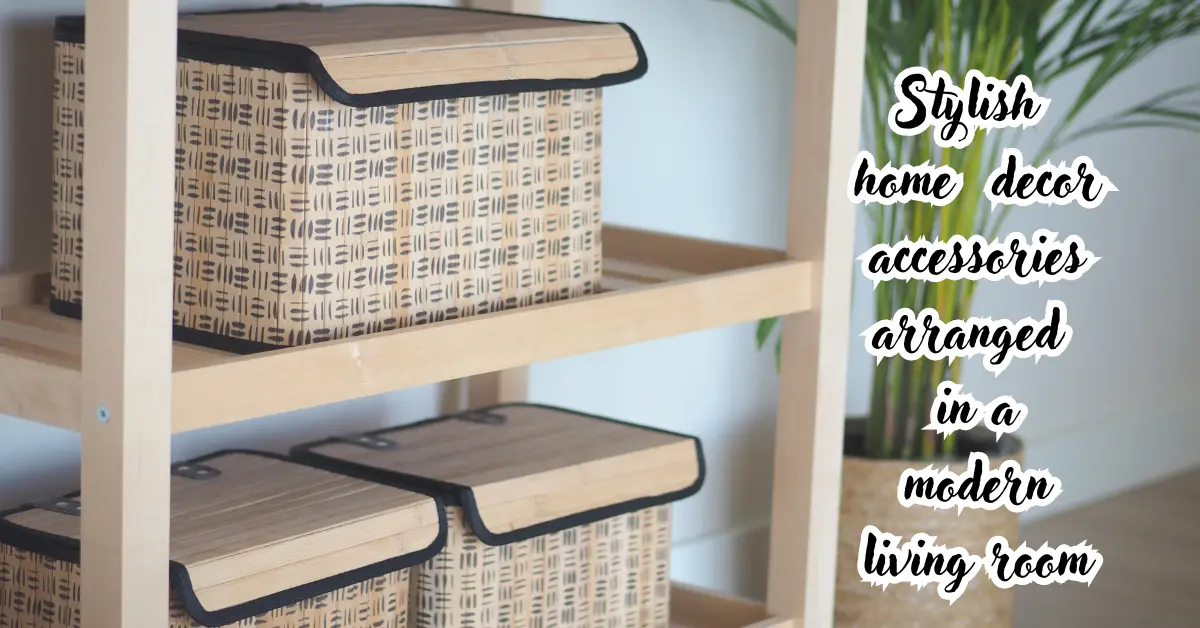
Home decor accessories can completely change the look and feel of a room without requiring a major renovation or expensive furniture replacement. From decorative pillows and area rugs to mirrors, artwork, vases, candles, plants, and table accents, the right accessories add personality, warmth, color, and visual interest to a home.
For homeowners in the USA, decorating with accessories is especially useful because it allows you to adapt your home to different seasons, trends, lifestyles, and personal preferences without redesigning an entire space.
This guide explains how to choose and arrange home decor accessories for living rooms, bedrooms, kitchens, bathrooms, entryways, and other spaces. You will also learn how to coordinate colors and textures, avoid common decorating mistakes, create balanced arrangements, decorate on a budget, and select accessories that look intentional rather than cluttered.
The goal is simple: create a home that feels comfortable, personal, functional, and visually balanced.
What Are Home Decor Accessories?
Home decor accessories are decorative or accent items used to enhance the appearance, atmosphere, and personality of an interior space. They are usually smaller than major furniture pieces and can often be moved, replaced, or rearranged easily.
Common examples include:
- Decorative pillows
- Throw blankets
- Area rugs
- Curtains
- Mirrors
- Wall art
- Vases
- Decorative bowls
- Candles
- Table lamps
- Decorative trays
- Indoor plants
- Picture frames
- Sculptures
- Books and decorative book stacks
- Baskets
- Clocks
- Seasonal decorations
Unlike essential furniture such as sofas, beds, dining tables, and wardrobes, accessories are generally used to complete the visual design of a room.
For example, a neutral sofa may look simple on its own. Adding textured pillows, a patterned rug, a coffee-table tray, a plant, and artwork can give the same space a much more finished appearance.
Home Decor Accessories can instantly add personality, warmth, and style to any living space. From decorative mirrors and wall art to cushions, vases, and candles, Home Decor Accessories offer simple ways to refresh a room. Choosing the right Home Decor Accessories helps create a balanced look while allowing you to express your personal taste. Whether you prefer modern, rustic, vintage, or minimalist designs, Home Decor Accessories make it easy to enhance your home without major changes.
Why Are Home Decor Accessories Important?
The biggest benefit of home decor accessories is flexibility. You can change accessories much more easily than you can replace furniture or renovate a room.
Well-selected accessories can:
- Add personality to a space
- Introduce color
- Create visual balance
- Add texture and depth
- Make large rooms feel more inviting
- Make small rooms feel more complete
- Highlight architectural features
- Connect different colors throughout a room
- Reflect your hobbies and interests
- Refresh an existing interior without major changes
Accessories can also help a room tell a story. A collection of travel photographs, books, handmade ceramics, plants, or artwork can make a space feel connected to the people who live there.
Best Home Decor Accessories for Every Room
The best accessories depend on the room, its size, its purpose, and the existing furniture. Instead of buying decorations randomly, think about what the room needs visually and functionally.
Living Room Accessories
The living room is often the easiest place to experiment with decorative accents because it usually has several surfaces and focal points.
Consider using:
- Decorative pillows
- Throw blankets
- Area rugs
- Coffee-table books
- Vases
- Plants
- Mirrors
- Wall art
- Decorative trays
- Floor lamps
- Table lamps
- Baskets
A simple styling approach is to build around the sofa. Start with a rug, then add pillows and a throw for texture. Complete the coffee table with a small tray containing a decorative object, book, bowl, or vase.
Avoid filling every available surface. Leaving some open space helps the room feel organized.
Bedroom Accessories
Bedrooms should feel calm and comfortable, so accessories should support relaxation rather than create visual chaos.
Useful bedroom accessories include:
- Soft throw blankets
- Decorative pillows
- Bedside lamps
- Mirrors
- Framed artwork
- Small plants
- Baskets
- Decorative trays
- Curtains
- Area rugs
A simple way to create a cohesive bedroom is to repeat two or three colors throughout the room. For example, if your bedding includes cream and muted blue, you can repeat those colors through artwork, curtains, pillows, or a small rug.
Home Decor Accessories can instantly add personality, warmth, and style to any living space. From decorative mirrors and wall art to cushions, vases, and candles, Home Decor Accessories offer simple ways to refresh a room. Choosing the right Home Decor Accessories helps create a balanced look while allowing you to express your personal taste. Whether you prefer modern, rustic, vintage, or minimalist designs, Home Decor Accessories make it easy to enhance your home without major changes.
Kitchen Accessories
Kitchen decor needs to balance style with practicality. Because kitchens are working spaces, accessories should not interfere with food preparation or storage.
Good options include:
- Decorative cutting boards
- Ceramic containers
- Fruit bowls
- Small plants
- Countertop trays
- Wall art
- Kitchen textiles
- Decorative canisters
- Open shelving displays
- Cookbooks
A wooden cutting board leaning against a backsplash can add warmth to a neutral kitchen. A ceramic bowl filled with fresh fruit can also provide color without taking up too much space.
Keep countertops relatively clear. Too many decorative items can make a kitchen look crowded and reduce usable workspace.
Bathroom Accessories
Bathrooms benefit from small accessories that make the space feel polished and organized.
Consider:
- Decorative soap dispensers
- Matching containers
- Small plants
- Framed artwork
- Towels
- Storage baskets
- Decorative trays
- Mirrors
- Small vases
Choose moisture-resistant materials where appropriate, particularly in areas exposed to frequent humidity.
A coordinated set of towels, containers, and accessories can make an ordinary bathroom feel more intentional.
Entryway Accessories
The entryway creates the first impression of your home. It should look attractive while remaining practical.
Useful choices include:
- Mirrors
- Console-table decor
- Baskets
- Small lamps
- Wall hooks
- Artwork
- Decorative bowls
- Runners
- Plants
A mirror is particularly useful in an entryway because it adds visual interest and gives you a convenient place for a final appearance check before leaving home.
If your entryway is small, avoid large decorative objects that block movement.
25 Stylish Home Decor Accessories Ideas
If you want to refresh your home without replacing your furniture, start with a few carefully selected accents.
1. Add Decorative Pillows
Pillows are one of the simplest ways to introduce color, pattern, and texture.
Instead of choosing every pillow in the same fabric, combine different textures while keeping the overall color palette coordinated.
2. Use an Area Rug
An area rug can visually connect furniture and define a seating or dining zone.
When selecting a rug, consider the room dimensions and furniture arrangement. A rug that is too small can make furniture appear disconnected.
3. Display a Large Mirror
A large mirror can become a strong focal point while adding depth and reflecting light.
Place mirrors where the reflection contributes positively to the room rather than simply putting one on an empty wall.
4. Bring in Indoor Plants
Plants add natural color and organic shapes to interiors.
Choose plants according to the light conditions and maintenance level you can realistically manage. If a location receives little natural light, select an appropriate low-light option rather than placing a light-demanding plant there.
5. Layer Throw Blankets
A throw blanket can make a sofa or bed look more inviting.
Fold it casually over an arm or the corner of furniture rather than arranging every fold perfectly.
6. Create a Coffee Table Arrangement
A coffee table does not need to remain completely empty.
Try combining:
- A tray
- One or two books
- A small decorative object
- A bowl
- A vase or plant
The key is to create variation in height and shape.
7. Add Wall Art
Artwork gives blank walls personality.
You can use photography, paintings, prints, illustrations, textile art, or personal pieces. Choose artwork that works with the room’s existing colors and mood.
8. Use Decorative Baskets
Baskets combine decoration with storage.
They work particularly well for blankets, magazines, toys, accessories, and other everyday items.
9. Style Open Shelves
Open shelves can display books, ceramics, plants, framed photographs, and decorative objects.
Leave some empty space between groups so the shelves do not look overloaded.
10. Add Table Lamps
Lighting is part of interior design, not merely a practical necessity.
A decorative table lamp can provide both illumination and visual interest.
11. Display Decorative Vases
Vases can work with or without flowers.
A collection of different shapes can create an attractive arrangement when the colors and materials have a visual connection.
12. Use Decorative Trays
A tray can turn several small objects into one organized composition.
Use trays on coffee tables, dressers, bathroom counters, or entryway consoles.
13. Add Framed Photos
Personal photographs make a home feel more individual.
Mix family photographs with artwork or other visual pieces instead of creating a wall filled with identical frames.
14. Introduce Natural Materials
Wood, rattan, bamboo, stone, ceramic, and woven materials can make interiors feel warmer.
Natural materials are particularly useful in neutral spaces that need more texture.
15. Decorate With Books
Books can add color, personality, and height to shelves and tables.
Choose books that genuinely interest you rather than purchasing books purely because their covers match a room.
16. Use Decorative Bowls
A decorative bowl can be both attractive and useful.
Place one on an entryway table for small everyday items or use one as a centerpiece on a dining or coffee table.
17. Add a Statement Clock
A wall clock can become a functional focal point.
Choose a design that complements the room instead of competing with artwork or other major features.
18. Layer Different Textures
A room becomes more visually interesting when materials vary.
For example, combine:
- Smooth ceramic
- Soft fabric
- Natural wood
- Woven materials
- Glass
- Metal
The goal is not to use every material but to create enough contrast to prevent the room from feeling flat.
19. Decorate With Candles
Candles can add warmth and atmosphere when used safely.
Choose holders that suit the room’s style and always follow appropriate safety practices when using real flames.
20. Add a Decorative Bench
A small bench can serve as both furniture and decor.
In an entryway or bedroom, it can provide useful seating while also giving the room another visual element.
21. Use Curtains as a Design Element
Curtains can influence the overall appearance of a room through color, texture, and pattern.
Choose a style that works with your windows, furniture, and desired level of natural light.
22. Create a Gallery Wall
A gallery wall can combine artwork, photography, typography, and personal memories.
Before hanging everything, plan the arrangement so the spacing feels deliberate.
23. Add a Small Sculpture
A sculpture or decorative object can provide an interesting focal point on a shelf, console, or side table.
Choose pieces that have enough visual presence without overwhelming the surrounding decor.
24. Use Seasonal Accessories
Seasonal decorating does not require changing an entire room.
Small changes such as pillows, throws, table decorations, wreaths, or artwork can give your home a seasonal update.
25. Display Meaningful Objects
The most effective decor is often personal.
A handmade object, travel souvenir, family photograph, inherited piece, or favorite artwork can make your home feel authentic rather than showroom-like.
How to Choose Home Decor Accessories
Choosing accessories becomes easier when you follow a simple process.
Step 1: Look at What You Already Have
Before buying anything, evaluate your existing furniture, colors, lighting, flooring, and artwork.
Ask:
- What colors are already present?
- Does the room feel empty or crowded?
- Which areas need more texture?
- Is there a clear focal point?
- What items can be reused?
This prevents unnecessary purchases.
Step 2: Select a Color Palette
Choose a small group of complementary colors.
A practical approach is to use a dominant neutral, a secondary color, and one or two accent colors.
For example:
Cream + warm wood + muted green + black accents
This does not mean every accessory must match. The colors simply need to work together.
Step 3: Mix Textures
If everything in a room has the same smooth finish, the space can feel visually flat.
Mix materials such as fabric, wood, ceramic, glass, metal, and woven fibers.
Step 4: Vary Heights
Decor looks more interesting when objects have different heights.
For example, on a console table you might combine a tall vase, medium-sized artwork, and a low decorative bowl.
Step 5: Create Groups
Instead of scattering individual accessories across a room, create intentional groupings.
Three or five objects can sometimes create a stronger arrangement than many unrelated pieces, but the exact number is less important than balance and proportion.
Step 6: Leave Breathing Room
Empty space is part of good design.
Do not feel obligated to decorate every shelf, wall, tabletop, and corner.
How to Mix Different Home Decor Styles
You do not need to follow one decorating style throughout your entire home.
Modern, traditional, transitional, coastal, farmhouse, minimalist, contemporary, and eclectic elements can work together when there is a clear connection.
Keep One Element Consistent
If you are mixing styles, repeat something across the room.
That could be:
- Color
- Material
- Shape
- Finish
- Pattern
For example, modern furniture can work with traditional artwork if both share similar colors or materials.
Avoid Too Many Competing Focal Points
A room can contain several interesting objects, but one or two should usually take visual priority.
If everything is designed to grab attention, nothing feels special.
Home Decor Accessories for Small Spaces
Small homes and apartments require careful accessory selection.
The best approach is to prioritize pieces that provide visual impact without consuming too much floor or storage space.
Try:
- Wall mirrors
- Vertical artwork
- Floating shelves
- Compact plants
- Multi-purpose baskets
- Small table lamps
- Decorative trays
- Slim runners
- Foldable textiles
Avoid excessive floor decorations in narrow walkways.
In a small living room, for example, a large wall mirror and carefully selected artwork may provide more value than several large decorative objects occupying valuable floor space.
How to Decorate on a Budget
You do not need an unlimited budget to improve your home.
Start with the rooms that you use most often and make small, deliberate changes.
Shop Your Existing Home
Before buying new accessories, move items between rooms.
A vase in the bedroom might look better on the living room console. A framed print from a hallway might work above a desk.
Prioritize High-Impact Items
If your budget is limited, consider starting with:
- A rug
- Lighting
- Pillows or textiles
- Artwork
- Plants
- Small decorative accents
The right combination can create a noticeable difference without requiring dozens of new pieces.
Choose Quality Over Quantity
Buying many inexpensive items that you do not genuinely like can create clutter.
A smaller collection of useful or meaningful accessories is often easier to maintain and style.
How to Style a Coffee Table
A coffee table is one of the easiest places to practice accessory styling.
Start with a tray to visually organize smaller objects. Add a book or two, then introduce an object with a different height, such as a vase or candle holder.
A simple arrangement might include:
- One tray
- Two books
- One small vase
- One decorative bowl
Leave enough table space for practical use.
The coffee table should still be usable for drinks, books, remotes, or everyday activities.
How to Style a Console Table
Console tables often look best when accessories are arranged with different heights.
Place a mirror or artwork above the table. Then use a lamp or tall vase on one side and smaller objects on the other.
The arrangement should feel balanced without being perfectly symmetrical.
If the console is near an entrance, include practical storage such as a decorative bowl or basket for frequently used items.
Home Decor Accessories can instantly add personality, warmth, and style to any living space. From decorative mirrors and wall art to cushions, vases, and candles, Home Decor Accessories offer simple ways to refresh a room. Choosing the right Home Decor Accessories helps create a balanced look while allowing you to express your personal taste. Whether you prefer modern, rustic, vintage, or minimalist designs, Home Decor Accessories make it easy to enhance your home without major changes.
Common Home Decor Mistakes to Avoid
Even attractive accessories can make a room look unfinished when they are used incorrectly.
Buying Everything at Once
Decorating an entire home in one shopping trip often results in mismatched pieces and unnecessary clutter.
Add accessories gradually.
Using Too Many Small Objects
Many tiny objects can create visual noise.
Consider combining several small items into a single tray or replacing them with one larger statement piece.
Ignoring Scale
A tiny piece of artwork can look lost on a large wall.
Likewise, an oversized accessory can overwhelm a small table.
Choose pieces according to the size of the surrounding furniture and room.
Matching Everything Too Closely
A room where every accessory uses exactly the same color, pattern, and material can feel artificial.
Use coordination rather than perfect matching.
Forgetting Function
A beautiful accessory is not useful if it constantly gets in the way.
Keep walkways, work surfaces, doors, drawers, and frequently used areas practical.
Following Trends Too Literally
Decor trends change.
Instead of filling your home with temporary trends, choose timeless foundational pieces and use smaller accessories to experiment with current styles.
How to Make Home Decor Accessories Look Expensive
Creating a polished interior is more about styling than price.
Use Fewer, Better-Placed Pieces
A carefully arranged collection can look more sophisticated than a room filled with decorations.
Repeat Materials
Repeating a material can create cohesion.
For example, small touches of wood across a room can connect furniture, accessories, and shelving.
Use Layering
Layer artwork, textiles, lighting, and accessories rather than placing everything separately.
Layering creates depth and makes the room feel more complete.
Pay Attention to Lighting
Even beautiful accessories can look dull under poor lighting.
Use a combination of natural light and appropriate ambient, task, or accent lighting where practical.
Home Decor Accessories: Style Comparison
| Decorating Approach | Best For | Typical Accessories | Main Advantage |
| Minimalist | Calm, uncluttered homes | Simple ceramics, plants, neutral textiles | Clean appearance |
| Modern | Contemporary interiors | Metal accents, abstract art, sleek lamps | Streamlined look |
| Traditional | Classic interiors | Framed art, lamps, decorative bowls | Timeless character |
| Coastal | Light, relaxed spaces | Woven items, blue accents, natural textures | Airy atmosphere |
| Farmhouse | Warm, casual homes | Wood accents, baskets, textiles | Comfortable feel |
| Eclectic | Personal, expressive interiors | Mixed art, vintage objects, colorful textiles | Individuality |
The best style is not necessarily the trendiest one. It is the approach that works with your architecture, furniture, lifestyle, and personal taste.
How Often Should You Change Home Decor Accessories?
There is no fixed schedule for changing decor.
Small updates can be made whenever a room feels visually tired or when your preferences change.
Many homeowners prefer to rotate smaller accessories seasonally while keeping larger furniture and foundational pieces for longer.
For example, you could change:
- Throw pillows
- Blankets
- Small artwork
- Table arrangements
- Decorative objects
- Seasonal displays
This provides variety without requiring a complete redesign.
How to Create a Cohesive Home
A cohesive home does not mean every room must look identical.
Instead, create subtle connections between spaces.
Use recurring:
- Colors
- Materials
- Textures
- Metal finishes
- Wood tones
- Artwork styles
For example, if warm wood appears in your living room, repeating a similar tone in the dining area or bedroom can help the home feel connected.
Home Decor Accessories can instantly add personality, warmth, and style to any living space. From decorative mirrors and wall art to cushions, vases, and candles, Home Decor Accessories offer simple ways to refresh a room. Choosing the right Home Decor Accessories helps create a balanced look while allowing you to express your personal taste. Whether you prefer modern, rustic, vintage, or minimalist designs, Home Decor Accessories make it easy to enhance your home without major changes.
Practical Tips for Buying Home Decor Accessories
Before purchasing an accessory, ask yourself five questions:
- Where will I put it?
- Does it work with my existing colors?
- Is the size appropriate?
- Will it be useful or meaningful?
- Can I maintain and clean it easily?
If you cannot answer where an item will go, consider waiting before buying it.
This simple habit can reduce clutter and help you build a more intentional collection.
home decorating ideas can help you find practical inspiration for styling your space, while interior design ideas can provide additional inspiration for creating a stylish and comfortable home. By choosing the right home decor accessories and combining them with suitable colors, textures, lighting, and furniture, you can create a welcoming interior that reflects your personal style.
Frequently Asked Questions
What are the most popular home decor accessories?
Popular home decor accessories include decorative pillows, area rugs, mirrors, artwork, plants, vases, lamps, baskets, candles, trays, blankets, picture frames, and decorative bowls. The best choices depend on the room, existing furniture, personal style, and practical needs. Rather than buying every popular accessory, choose pieces that improve the specific space you are decorating.
How do I choose home decor accessories that match?
Start with the colors and materials already present in your room. Choose accessories that repeat or complement those elements without matching everything exactly. Mixing textures, shapes, and finishes creates more visual interest. A simple color palette can help different accessories feel connected even when they come from different collections or styles.
How can I decorate my home without spending a lot?
Start by rearranging items you already own and focusing your budget on a few high-impact pieces. Textiles, plants, artwork, lighting, and small decorative objects can refresh a room without replacing major furniture. Shopping gradually also gives you more time to find pieces that genuinely fit your home instead of making unnecessary purchases.
How many decorative accessories should I use in one room?
There is no universal number because room size, furniture, and personal style vary. The goal is visual balance rather than a specific quantity. Start with the main focal points and add accessories gradually. If surfaces begin to look crowded or the room becomes difficult to use, remove a few pieces and reassess the arrangement.
What home decor accessories work best for small rooms?
Mirrors, wall art, compact plants, lightweight textiles, floating shelves, decorative trays, and appropriately sized lamps can work particularly well in small rooms. Prioritize accessories that provide visual interest without taking up unnecessary floor space. Avoid filling every surface, because open areas help a compact room feel more organized and comfortable.
Home Decor Accessories can instantly add personality, warmth, and style to any living space. From decorative mirrors and wall art to cushions, vases, and candles, Home Decor Accessories offer simple ways to refresh a room. Choosing the right Home Decor Accessories helps create a balanced look while allowing you to express your personal taste. Whether you prefer modern, rustic, vintage, or minimalist designs, Home Decor Accessories make it easy to enhance your home without major changes.
Final Thoughts on Home Decor Accessories
Home decor accessories are one of the easiest ways to personalize a home, refresh an existing interior, and create a more finished appearance without undertaking a major renovation.
The most successful approach is not to buy as many decorations as possible. Instead, choose accessories based on your room’s size, color palette, furniture, lighting, lifestyle, and personal taste.
Start with the biggest visual needs. Add a rug if the furniture feels disconnected, artwork if the walls feel empty, textiles if the room lacks softness, plants if it needs natural character, or lighting if the space feels flat.
Most importantly, give your home time to evolve. A thoughtfully decorated home does not need to look like a showroom. The best spaces combine practical choices with objects, colors, textures, and memories that reflect the people who live there.
Practical next step: Choose one room that feels unfinished, identify the three areas that need the most attention, and update them with a small number of coordinated accessories rather than decorating everything at once.
