

Introduction
Home decor DIY is an easy way to personalize your home, refresh a room, and create attractive pieces without relying entirely on expensive store-bought decor. From painted furniture and handmade wall art to decorative storage and simple upcycling projects, DIY gives you the freedom to match your space to your style and budget.
This guide covers practical home decor DIY ideas for bedrooms, living rooms, kitchens, bathrooms, and entryways. You’ll also learn how to choose projects, avoid common mistakes, work safely, and make inexpensive materials look polished.
What Is Home Decor DIY?
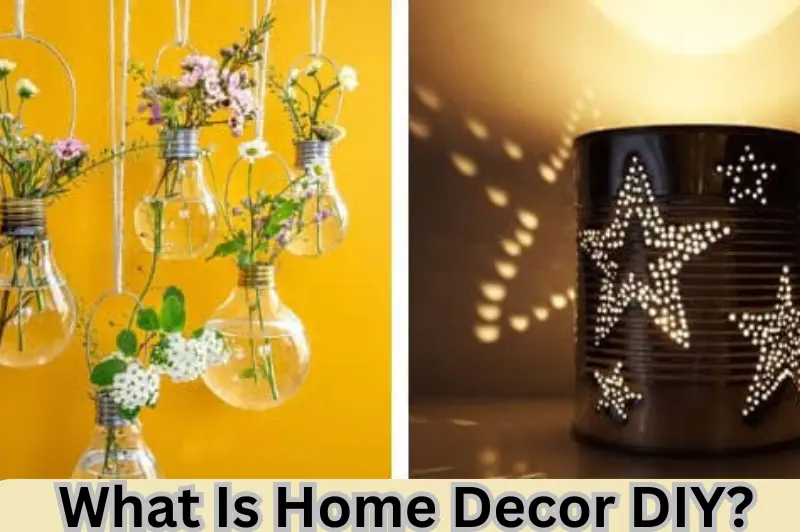
Home decor DIY means creating, decorating, modifying, or repurposing items yourself to improve the appearance or functionality of your home.
A DIY project can be as simple as creating a gallery wall or painting a small side table. More involved projects might include refinishing furniture, building decorative shelves, or transforming an unused household item into something useful.
The best home decor DIY projects usually have three things in common:
- They suit your existing space and personal style.
- They can be completed with materials and tools you can reasonably manage.
- They provide a noticeable improvement without unnecessary expense.
DIY does not have to mean making everything from scratch. Updating an existing piece can be just as effective as building something new.
Why Try Home Decor DIY?
Home decor DIY can make your home feel more personal while giving you greater control over color, materials, size, and design.
Personalize Your Space
Store-bought decor is made for a broad audience, while DIY allows you to make something specifically for your room.
You can choose a color that matches your walls, create artwork around a favorite theme, or adjust the dimensions of a shelf to fit an awkward corner.Home decor DIY
Refresh Your Home on a Budget
DIY can be a useful alternative when you want to update your surroundings without replacing every piece of furniture or decor.
For example, an old wooden table may look completely different after cleaning, light sanding, and a suitable finish. Likewise, a plain frame can become personalized wall decor with paint or decorative details.
Remember that DIY is not automatically cheaper. Tools, materials, finishes, and mistakes can add up. Compare the total project cost with the price of a ready-made alternative before starting.
Reduce Unnecessary Waste
Repurposing existing items can give useful materials a second purpose.
Old frames, unused baskets, leftover fabric, glass containers, and furniture that no longer fits your style may all have potential as DIY decor.
Easy Home Decor DIY Ideas for Beginners
If you are new to DIY, start with projects that require basic tools and have a low risk of damaging expensive materials.
1. Create a Simple Gallery Wall
A gallery wall can turn an empty wall into a focal point.Home decor DIY
Use a combination of photographs, prints, illustrations, mirrors, or other lightweight decorative pieces. Keep a visual connection between the pieces through similar colors, frames, or themes.
Before putting holes in the wall, arrange the pieces on the floor or use paper templates to test the layout.
Beginner tip: Start with fewer pieces and leave consistent visual spacing rather than trying to fill the entire wall immediately.
2. Make Personalized Wall Art
You do not need advanced artistic skills to create attractive wall art.Home decor DIY
Try:
- Abstract shapes
- Simple geometric patterns
- Botanical-inspired designs
- Typography using your own words
- Color-blocked canvases
- Framed fabric or textured materials
Choose a limited color palette that works with the room instead of adding too many unrelated colors.
3. Refresh an Old Picture Frame
An old frame can become a completely different decorative piece with cleaning and a fresh finish.
Clean the frame first, prepare the surface according to its material, and use a suitable paint or finish. Allow each coat to dry properly before adding another.
You can use the updated frame for artwork, photographs, a mirror, or even a decorative empty-frame arrangement.Home decor DIY
4. Turn Containers Into Decorative Storage
Everyday containers can become useful decor when they are organized and finished thoughtfully.
Glass jars, boxes, baskets, and small containers can hold items such as stationery, craft supplies, bathroom accessories, or kitchen essentials.
Labeling containers consistently can make open shelving look more organized while helping you find things quickly.
5. Update a Small Piece of Furniture
A small stool, bedside table, plant stand, or side table can be a good beginner furniture project.
A basic process is:
- Clean the furniture thoroughly.
- Repair loose or damaged areas.
- Prepare the surface appropriately.
- Apply a compatible primer or finish when required.
- Add paint or another suitable finish.
- Allow adequate drying and curing time.
- Reassemble and place the furniture once it is ready for use.
Do not skip preparation. A beautiful color cannot compensate for a dirty, unstable, or poorly prepared surface.Home decor DIY
Home Decor DIY Ideas for the Living Room
The living room often benefits from DIY projects that create visual interest without making the space feel crowded.
DIY Accent Wall Decor
Instead of covering every wall with decorations, choose one area to emphasize.
You could create a coordinated collection of framed art, arrange mirrors, or build a simple decorative display around a console table.
Keep scale in mind. Very small decorations can disappear on a large wall, while oversized pieces can overwhelm a compact room.Home decor DIY
DIY Decorative Tray
A decorative tray can be useful on a coffee table, ottoman, or console.
Start with a suitable unfinished or existing tray and customize it with a finish that complements your room. Add handles if appropriate and make sure they are securely attached.
A tray also helps group smaller objects, making a surface look more intentional.
Upcycled Furniture
Before buying a replacement, consider whether an existing piece can be improved.
Changing hardware, repairing minor damage, refinishing a surface, or updating the color can create a fresh appearance while preserving a useful itemHome decor DIY.
Home Decor DIY Ideas for the Bedroom
Bedrooms generally work best with DIY projects that support a calm and organized environment.
DIY Headboard
A simple headboard can add a strong focal point behind the bed.
Depending on your skills and materials, you could use wood, fabric, or another suitable material. The design should be securely installed and appropriate for the bed and wall structure.
Avoid creating heavy wall-mounted elements unless you understand how they need to be supported.
Handmade Bedroom Art
Choose artwork that complements the room rather than competing with it.
Soft patterns, simple botanical illustrations, photographs, or abstract artwork can work well when their colors coordinate with bedding, curtains, rugs, or other existing elements.
DIY Bedside Organization
Small boxes, trays, or repurposed containers can help organize bedside essentials.
The goal is not simply to add decoration. A good DIY project should solve a practical problem while looking intentional.
Home Decor DIY Ideas for the Kitchen
Kitchen DIY projects should prioritize cleanliness, durability, and safe use.Home decor DIY
Create a Simple Coffee or Beverage Station
A small tray, shelf, or organized countertop area can group frequently used beverage supplies.
Use materials and finishes appropriate for the environment, particularly around moisture and heat. Keep decorative materials away from burners and other heat sources.
Upgrade Cabinet Hardware
Replacing cabinet knobs or pulls can change the appearance of a kitchen without replacing the cabinets.
Measure existing hardware carefully before buying replacements. Check the mounting-hole spacing and make sure the new hardware is compatible with the cabinet thickness.
Organize Open Shelving
DIY labels, containers, and simple dividers can make open shelves more functional.
Choose a consistent visual approach. Matching containers or a limited color palette can help the shelves look organized rather than cluttered.
Home Decor DIY Ideas for the Bathroom
Bathrooms require materials that can tolerate humidity and regular cleaning.
DIY Bathroom Storage
Floating shelves, baskets, small organizers, and wall-mounted storage can help make better use of limited space.
Use appropriate mounting hardware and never assume that an adhesive solution is suitable for every wall, load, or humid environment.
Refresh Small Decorative Details
Instead of attempting a major renovation, consider updating smaller elements such as:
- Frames
- Storage baskets
- Decorative containers
- Mirror surroundings
- Small artwork
Keep fabric and untreated materials away from areas where they may remain wet.
Home Decor DIY Ideas for Small Spaces
Small rooms benefit from projects that add function without consuming valuable floor space.
Use Vertical Space
Wall-mounted shelves, hooks, and narrow storage solutions can take advantage of vertical areas.
Before drilling, identify the wall construction and check for electrical wiring, plumbing, or other hazards where applicable.
Choose Multi-Purpose Decor
A decorative basket can provide storage. A tray can organize a table. A mirror can serve a practical purpose while contributing to the room’s design.
The strongest DIY ideas often combine decoration and function.
How to Make DIY Decor Look More Expensive
A polished result usually depends more on preparation and consistency than on expensive materials.
Keep the Color Palette Simple
Choose a few colors that already appear in the room.
Repeating those colors across DIY pieces creates visual connection and makes individual projects feel like part of one design.
Pay Attention to Proportions
A small decorative object may work beautifully on a shelf but look insignificant on a large wall.
Measure your space before making or buying materials.
Finish the Details Carefully
Uneven paint, visible glue, rough edges, crooked hardware, and inconsistent spacing can make a project look unfinished.
Take time to inspect the piece before putting it on display.
Avoid Overdecorating
More decor does not necessarily create a better room.
Leave some open space around your DIY pieces. This helps individual items stand out and makes the overall room easier to maintain.
DIY vs. Store-Bought Decor
| Factor | DIY Decor | Store-Bought Decor |
|---|---|---|
| Personalization | Very high | Usually limited |
| Time required | Depends on project | Usually low |
| Upfront cost | Can be low or moderate | Varies widely |
| Skill required | Varies | Usually minimal |
| Custom sizing | Excellent | Limited to available sizes |
| Repair or modification | Often easier | Depends on product |
DIY is particularly useful when you want a specific size, color, or design. Store-bought decor can be more convenient when your priority is speed or when a project requires specialized tools and skills.
How to Start a Home Decor DIY Project
A little planning can prevent wasted materials and disappointing results.
Step 1: Identify the Problem
Do not begin with “What can I make?”
Start with “What does this room need?”
Perhaps you need more storage, a focal point, better organization, or a way to use an empty corner.
Step 2: Set a Realistic Budget
List the materials, tools, hardware, finishes, and replacement supplies you may need.
Include a small allowance for unexpected costs rather than assuming every project will go perfectly.
Step 3: Choose the Right Materials
Consider where the finished item will be used.
A material suitable for a dry bedroom may not be appropriate for a humid bathroom or an area exposed to heat.
Step 4: Plan the Design
Sketch the idea or create a rough layout before starting.
For wall decor, use paper templates. For furniture, measure twice before cutting or drilling.
Step 5: Prepare Your Workspace
Protect surfaces, organize tools, provide suitable ventilation when required, and keep children and pets away from potentially hazardous tools or materials.
Step 6: Work Slowly
Rushing often creates preventable problems.
Allow paint, adhesives, finishes, and other materials to dry or cure according to their product instructions.
Common Home Decor DIY Mistakes
Even simple projects can go wrong when preparation is skipped.
Choosing a Project That Is Too Advanced
Start with your current skill level.
If a project involves complex electrical work, structural modifications, major plumbing, or specialized equipment, it may require qualified professional help rather than a beginner DIY approach.
Ignoring Measurements
Measure the wall, furniture, available space, and materials before committing to a design.
A few minutes of planning can prevent an expensive mistake.
Skipping Surface Preparation
Paint and finishes generally perform better when the surface is appropriately clean and prepared.
Always follow the preparation requirements for the specific material and product you are using.
Buying Materials Before Finalizing the Design
It is easy to buy attractive materials that ultimately do not work together.
Choose the design, dimensions, and color direction first.
Focusing Only on Appearance
A DIY item should also be safe and functional.
Check stability, mounting, weight limits, sharp edges, moisture exposure, and heat exposure where relevant.
Safety Tips for Home Decor DIY
DIY should be enjoyable, but safety should come first.
- Read the manufacturer’s instructions for tools, paints, adhesives, and finishes.
- Use appropriate protective equipment when required.
- Maintain adequate ventilation when working with products that produce fumes.
- Keep sharp tools and hazardous materials away from children.
- Check wall-mounted items for secure attachment.
- Do not perform electrical or structural work beyond your knowledge and skill level.
- Allow finishes to dry or cure properly before using the finished item.
When you are unsure whether a project involves a structural, electrical, gas, or plumbing risk, consult a qualified professional.
How to Choose the Best DIY Project for Your Home
The best project is not necessarily the most complicated one. It is the project that solves a real need and fits your available time, budget, skills, and space.
Ask yourself:
- What do I want to improve?
- What materials do I already have?
- What is my total budget?
- How much time can I realistically spend?
- Do I have the required tools?
- Can I complete the project safely?
- Will the finished item be practical as well as attractive?
If you can answer these questions clearly, you are much more likely to choose a project you can actually finish.
For additional home improvement and decorating guidance, explore HGTV’s decorating ideas for inspiration.
Frequently Asked Questions
What are some easy home decor DIY projects for beginners?
Easy projects include personalized wall art, painted picture frames, decorative trays, simple storage containers, and small furniture updates. These projects can introduce basic skills such as cleaning, surface preparation, painting, measuring, and finishing without requiring advanced construction techniques.
Is home decor DIY cheaper than buying decor?
It can be, but not always. DIY costs depend on materials, tools, hardware, finishes, and the time required. Repurposing items you already own can reduce expenses, while specialized tools or complicated projects can make DIY more expensive than buying a finished product.
How can I make DIY home decor look professional?
Focus on preparation, measurements, clean edges, consistent colors, secure hardware, and appropriate finishing. Avoid rushing the drying or curing process. Simple designs often look more polished when they are carefully executed than complicated projects with visible imperfections.
What DIY home decor is best for small spaces?
Vertical storage, wall art, narrow shelves, hooks, mirrors, and multi-purpose decorative items are useful choices for small spaces. Projects that combine storage with decoration can improve functionality without taking much floor space.
What should I consider before starting a DIY home decor project?
Consider the project’s purpose, cost, materials, required tools, dimensions, skill level, and safety requirements. Think about where the finished item will be placed and whether it will encounter moisture, heat, heavy loads, or frequent use. Good planning can prevent unnecessary waste and rework.
Conclusion
Home decor DIY gives you a practical way to personalize your home, refresh existing items, and solve everyday organization problems. You can start small with wall art, frames, trays, storage containers, or a simple furniture update before moving on to more advanced projects.
The key is to choose projects that match your space, budget, skills, and safety requirements. Measure carefully, prepare surfaces properly, use suitable materials, and give finishes enough time to dry or cure.
