

introduction
Home improvement includes the repairs, upgrades, renovations, and changes homeowners make to improve a property’s comfort, appearance, functionality, safety, or value. Whether you want to refresh one room, improve energy efficiency, or complete a larger renovation, the right approach starts with a clear plan.
This guide explains practical home improvement ideas for homeowners in the USA, including how to choose projects, set a realistic budget, prioritize repairs, avoid common mistakes, and decide when to hire a professional.
What Is Home Improvement?
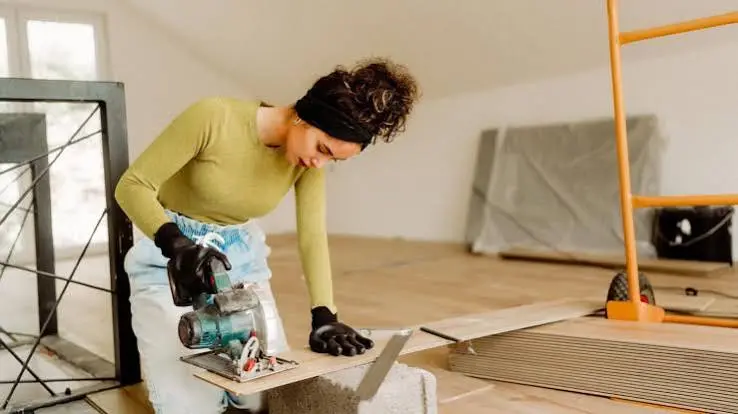
Home improvement is the process of repairing, upgrading, renovating, or maintaining a home to make it more useful, comfortable, attractive, or efficient.
Home improvement can be as simple as replacing outdated light fixtures or as extensive as remodeling a kitchen. Projects may focus on appearance, but many of the most valuable improvements address everyday functionality and maintenance.
Common examples include:
- Painting interior or exterior walls
- Updating flooring
- Improving kitchen storage
- Remodeling a bathroom
- Replacing old windows
- Upgrading lighting
- Improving insulation
- Repairing a roof
- Landscaping outdoor areas
- Installing smart-home equipment
- Improving accessibility and safety
The best project depends on the home’s condition, the homeowner’s goals, available budget, and the expected long-term benefit.
Why Is Home Improvement Important?
Home improvement can make a home safer, more comfortable, easier to maintain, and better suited to the owner’s needs.
A well-planned upgrade can solve an existing problem rather than simply changing how a room looks. For example, improving bathroom ventilation may help manage moisture, while better insulation can improve indoor comfort.
Home improvement projects can provide several benefits.
Better Comfort
Simple changes can make rooms more pleasant to use. Improved lighting, better storage, updated flooring, and appropriate insulation can all contribute to a more comfortable home.
Improved Functionality
A renovation can make a space work better for everyday life. A kitchen with better storage, for example, may be more useful without requiring a complete redesign.
Increased Curb Appeal
Exterior improvements such as landscaping, a fresh entry door, updated exterior lighting, or repaired siding can improve the appearance of a property.
Better Maintenance
Repairing small problems before they become major issues can help homeowners manage maintenance more effectively.
Potential Property Value
Some improvements may contribute to a home’s market appeal and value, although no renovation guarantees a particular return. The value of a project depends on factors such as location, quality, market conditions, and buyer preferences.
How Do You Choose the Right Home Improvement Project?
Start with the home’s needs, not the trend of the moment. A good project should address a genuine problem or provide a meaningful improvement in comfort, function, safety, or appearance.
Before starting, ask:
- What problem am I trying to solve?
- Is the project necessary or mainly cosmetic?
- What is my total budget?
- Will I live in the home for several years?
- Can I complete the work safely?
- Do I need a permit or licensed professional?
- How much disruption will the project cause?
A useful priority system is to divide projects into three groups:
Essential: Roof leaks, electrical problems, plumbing issues, structural concerns, water damage, and safety repairs.
Useful: Insulation improvements, storage solutions, lighting upgrades, bathroom ventilation, and energy-efficiency projects.
Cosmetic: Paint colors, decorative fixtures, wall treatments, and other appearance-focused changes.
This approach helps prevent homeowners from spending heavily on cosmetic upgrades while important maintenance problems remain unresolved.
Best Home Improvement Ideas for Different Budgets
Not every useful improvement requires a large renovation budget. Smaller projects can sometimes produce noticeable changes.
Low-Cost Home Improvement Ideas
Budget-friendly improvements can include:
- Repainting a room
- Replacing cabinet hardware
- Updating light fixtures
- Adding shelves
- Improving closet organization
- Replacing worn caulk
- Installing modern house numbers
- Refreshing landscaping
- Replacing damaged switch plates
- Adding weatherstripping around suitable doors and windows
These projects are relatively simple, but homeowners should still use appropriate tools and follow manufacturer instructions.
Mid-Range Home Improvement Ideas
With a larger budget, homeowners might consider:
- Bathroom fixture upgrades
- Flooring replacement
- Kitchen cabinet improvements
- New countertops
- Improved outdoor lighting
- Window upgrades
- Built-in storage
- Interior door replacement
The best choice depends on the condition of the existing materials and whether the project requires additional electrical, plumbing, or structural work.
Major Home Improvement Projects
Large renovations may include:
- Full kitchen remodeling
- Complete bathroom remodeling
- Basement finishing
- Room additions
- Major exterior renovations
- Roofing replacement
- Whole-home energy improvements
These projects generally require more planning, a larger budget, and potentially multiple contractors or permits.
Home Improvement Ideas by Room
Kitchen Home Improvement
Kitchen improvements should prioritize workflow, storage, lighting, and durable materials.
Before remodeling, consider how people actually use the kitchen. Improving storage or lighting may solve practical problems without changing the entire layout.
Useful upgrades include:
- Pull-out cabinet storage
- Better task lighting
- Updated faucets
- Improved pantry organization
- Durable countertops
- Modern cabinet hardware
- Energy-efficient appliances
- Easy-to-clean flooring
If plumbing, electrical circuits, gas connections, or structural walls are involved, professional advice may be necessary.
Bathroom Home Improvement
Bathroom improvements should balance comfort, moisture management, safety, and durability.
Popular upgrades include:
- Better ventilation
- Updated faucets
- Water-efficient fixtures
- Improved lighting
- Storage cabinets
- New flooring
- Updated shower hardware
- Grab bars where appropriate
Moisture should receive particular attention. Persistent leaks, water damage, or poor ventilation can create maintenance problems that go beyond appearance.
Bedroom Improvements
Bedrooms benefit from improvements that support comfort and organization.
Consider:
- Better lighting controls
- Closet organization
- Storage furniture
- Updated flooring
- Window treatments
- Fresh paint
- Improved insulation where appropriate
A bedroom does not necessarily need expensive remodeling to feel substantially improved.
Living Room Improvements
The living room is often a high-visibility area, making relatively simple changes worthwhile.
Ideas include:
- Updated lighting
- Built-in shelving
- Fresh paint
- Improved cable management
- New flooring
- Updated trim
- Better furniture arrangement
Focus on changes that improve how the room is actually used instead of adding unnecessary decorative elements.
Outdoor Home Improvement
Exterior improvements can enhance both usability and curb appeal.
Possible projects include:
- Walkway repairs
- Landscaping
- Outdoor seating areas
- Exterior lighting
- Deck maintenance
- Fence repairs
- Entryway improvements
- Drainage solutions
Outdoor projects should account for local climate, drainage, soil conditions, property boundaries, and applicable local regulations.
How to Plan a Home Improvement Project
A successful renovation begins before the first tool is used. Planning helps control costs, reduce delays, and identify problems early.
Step 1: Define the Goal
Write down exactly what you want to change.
Instead of saying, “I want a better kitchen,” define the goal more precisely:
Improve kitchen storage, lighting, and countertop space without changing the room’s basic layout.
A specific goal makes it easier to compare options and estimate costs.
Step 2: Inspect the Existing Space
Look for underlying problems before focusing on finishes.
Check for signs of:
- Water damage
- Mold or persistent moisture
- Cracks or structural concerns
- Outdated electrical components
- Plumbing leaks
- Poor ventilation
- Damaged materials
If you find a potentially serious problem, consider getting a qualified professional to evaluate it before proceeding.
Step 3: Create a Budget
Your budget should include more than materials.
Consider:
- Materials
- Labor
- Tools
- Delivery
- Permits
- Professional inspections
- Disposal
- Unexpected repairs
A contingency amount can help manage surprises, particularly during older-home renovations where hidden problems may appear after walls or flooring are opened.
Step 4: Decide What to DIY
DIY can make sense for straightforward work when you have the necessary knowledge, tools, and time.
Suitable projects may include basic painting, simple organization, or certain decorative upgrades.
However, electrical, gas, structural, roofing, or major plumbing work can involve significant safety risks. When a project exceeds your experience or requires specialized licensing, hiring a qualified professional is the safer choice.
Step 5: Check Local Requirements
Building requirements vary by location. Depending on the project, permits, inspections, HOA rules, or licensed contractors may be required.
Before beginning major work, check with the appropriate local building department or authority having jurisdiction.
Step 6: Plan the Work
Create a simple sequence.
For example:
- Remove old materials.
- Complete necessary repairs.
- Address electrical or plumbing work.
- Install major components.
- Complete walls and surfaces.
- Install fixtures and hardware.
- Clean and inspect the finished space.
Proper sequencing can prevent finished surfaces from being damaged by later work.
DIY vs. Hiring a Professional
| Project Type | DIY May Be Suitable | Professional Recommended |
|---|---|---|
| Painting | Yes | Optional |
| Basic shelving | Often | Optional |
| Cabinet hardware | Often | Optional |
| Major electrical work | No | Yes |
| Gas work | No | Yes |
| Structural changes | No | Yes |
| Major plumbing | Usually no | Yes |
| Roof replacement | Usually no | Yes |
| Landscaping | Often | Depends on scope |
The decision should be based on safety, complexity, local requirements, tools, experience, and the consequences of making a mistake.
Saving money on labor is not worthwhile if incorrect work creates a larger repair bill or safety problem later.
How to Make Home Improvement More Energy Efficient
Energy-focused improvements should begin with the home’s existing problems rather than automatically replacing everything.
Potential areas include:
- Air sealing
- Insulation
- Windows and doors
- Heating and cooling systems
- Lighting
- Appliances
- Water heating
- Smart thermostats
The U.S. Department of Energy recommends evaluating a home’s energy use and considering efficiency improvements that address the building’s specific needs. Homeowners can use resources such as the department’s energy-saving guidance when planning upgrades.
Energy improvements can also vary significantly by climate. A solution that makes sense in a cold northern state may not be the highest priority in a hot, humid region.
Common Home Improvement Mistakes
Starting Without a Clear Scope
Changing the project halfway through can increase costs and extend the timeline.
Choosing Materials Only by Appearance
A beautiful material may not be appropriate for moisture, heavy traffic, outdoor exposure, or frequent cleaning.
Ignoring Hidden Problems
Painting over water damage or covering a deteriorated surface does not solve the underlying issue.
Underestimating the Budget
Materials are only one part of the total cost. Labor, permits, disposal, delivery, and unexpected repairs can affect the final price.
Doing Work Beyond Your Skill Level
Some projects require specialized knowledge. Electrical, gas, structural, and major plumbing work should receive appropriate professional attention.
Forgetting Maintenance
Every renovation should be considered from a maintenance perspective. Ask how often the new materials need cleaning, sealing, inspection, or replacement.
How to Get Better Results From Home Improvement
Use these practical tips before and during a project:
- Measure spaces carefully before ordering materials.
- Keep receipts, product information, and warranties organized.
- Take photographs of concealed plumbing and wiring before walls are closed.
- Buy compatible materials and fixtures.
- Confirm measurements twice before cutting.
- Protect floors and finished surfaces during construction.
- Maintain good ventilation when using appropriate paints or construction products.
- Follow product instructions.
- Keep children and pets away from active work areas.
- Do not ignore warning signs such as persistent leaks, unusual electrical behavior, or structural movement.
- Verify contractor credentials and references where appropriate.
Good project management is often as important as choosing attractive materials.
How Home Improvement Can Add Long-Term Value
The most useful improvements generally solve real problems while maintaining quality and suitability for the local market.
A homeowner planning to stay for many years may prioritize comfort and functionality. Someone preparing to sell may focus more heavily on condition, maintenance, curb appeal, and features that are attractive to local buyers.
Avoid assuming that the most expensive renovation is automatically the best investment.
For example, repairing a neglected maintenance issue may be more important than installing an expensive decorative feature. Similarly, a well-designed modest kitchen update can sometimes make more sense than completely changing a home’s layout.
The goal should be to improve the property without creating unnecessary complexity or spending that the home cannot reasonably support.
Home Improvement IdeasU.S. Department of EnergyFor more practical home improvement ideas, homeowners can explore additional renovation and maintenance guides. For energy-efficiency projects, the U.S. Department of Energy provides useful information for homeowners.
Frequently Asked Questions
What is the most popular home improvement project?
Popular home improvement projects vary by location, property type, budget, and homeowner goals. Kitchen and bathroom upgrades, painting, flooring, outdoor improvements, energy-efficiency work, and general maintenance are common categories. The best project is not necessarily the most popular one; it should address your home’s actual needs and fit your budget.
How can I improve my home on a small budget?
Start with projects that produce visible or practical improvements without major construction. Painting, lighting updates, cabinet hardware, organization, basic landscaping, caulking, and minor maintenance can make a noticeable difference. Prioritize repairs and functionality first, then spend remaining funds on cosmetic improvements that fit your overall plan.
Is DIY home improvement cheaper?
DIY can reduce labor costs for suitable projects, but it is not automatically cheaper. Mistakes, specialized tools, wasted materials, and rework can increase expenses. DIY is generally most appropriate when the work is straightforward and you understand the process. For electrical, gas, structural, or complex plumbing work, professional help may be the better choice.
How do I create a home improvement budget?
Start by defining the project’s scope and estimating materials and labor. Then consider permits, tools, delivery, disposal, professional services, and potential repairs. Get multiple quotes when hiring contractors and avoid choosing solely on the lowest price. Keeping a contingency amount available can also help manage unexpected costs.
Which home improvements can increase property value?
No renovation guarantees a specific increase in property value. Improvements that maintain or improve a home’s condition, functionality, energy performance, and appeal can potentially help marketability. The best choices depend on the local housing market. Before a major project, homeowners should consider neighborhood standards, comparable properties, project cost, and how long they plan to stay.
Conclusion
Home improvement is most effective when it solves a real problem, improves everyday living, or strengthens the long-term condition of the property. From small upgrades such as painting and better storage to larger projects such as kitchen remodeling or energy improvements, homeowners have many ways to make a property work better.
The smartest approach is to prioritize essential repairs, establish a realistic budget, understand the project’s scope, check local requirements, and hire qualified professionals when specialized work is involved.
